Discover more from Dr. Staci on Substack.
Fix cavities, bad breath, receding gums, snoring, and hormones at the root. Weekly at-home tips from a board-certified dentist, because “brush, floss, and avoid sugar” were never the only answers. 🦷

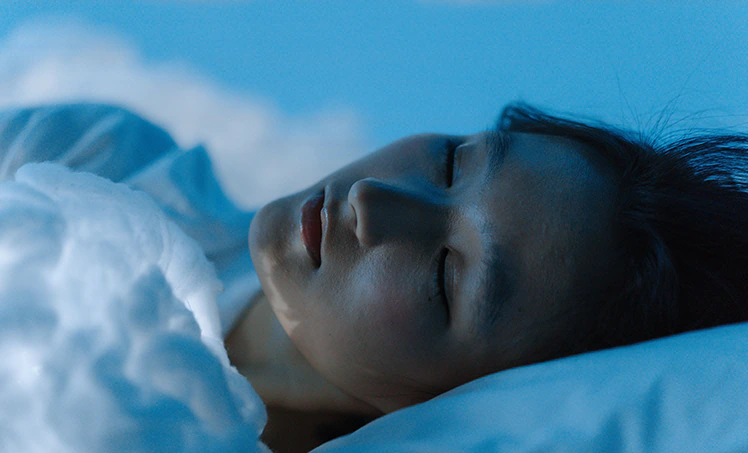

Almost everyone blames teeth grinding, or bruxism, on stress, and stress is part of it. But the pattern I see most often in my chair is a grinder whose jaw is working overtime to keep an airway open at night. That changes what we do about it.
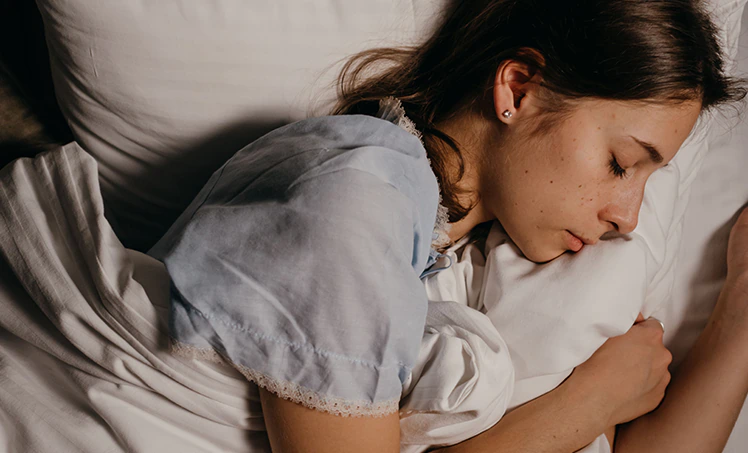
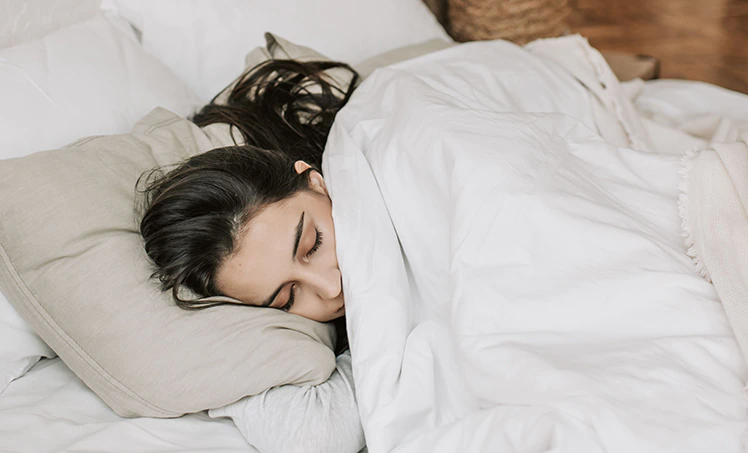
For a lot of people, your brain is briefly waking up to rescue your breathing, and your jaw does the heavy lifting. Grinding during sleep happens in bursts, and those bursts follow a pattern.
Sleep researchers at the Université de Montréal, led by Gilles Lavigne, showed that most grinding episodes ride on top of micro-arousals. These are brief shifts toward lighter sleep where the brain flickers awake for a few seconds and the jaw muscles fire.
The interesting question is what wakes the brain up in the first place. For a large share of grinders, the answer is breathing.
When the airway narrows during sleep, the body scrambles for a fix. One of the fixes is to clench and push the lower jaw forward, which pulls the tongue off the back of the throat. Picture a bouncer shoving a door open with his shoulder, over and over, all night.
Studies that monitor breathing and jaw activity together have found bruxism episodes clustering right after apneas and hypopneas (full and partial pauses in breathing) in many patients. That’s why I treat grinding as a possible sign of sleep-disordered breathing until proven otherwise.
Partly, yes. Stress still counts, and so do a few chemical nudges.
Caffeine late in the day, alcohol (which relaxes the airway muscles and fragments sleep), nicotine and SSRIs all raise the odds of grinding. Daytime clenching at your desk is its own habit, and that one is mostly stress.
Look in the mirror and check your mornings. Most grinders never make a sound, so I look at the mouth instead of asking the spouse.
Teeth that have gone flat on the edges, or front teeth that are all the same length like a picket fence, are the classic clue. A scalloped tongue, with little indentations along the edges where it pressed against your teeth all night, tells me the tongue is fighting for room.
Then there’s the rest of the list: morning headaches at the temples, jaw pain when you chew, cheek muscles that have gotten visibly bigger, and teeth that suddenly zing to cold. Cracks and chipped fillings show up too.
If any of this sounds familiar and you also snore, wake with a dry mouth, or feel wrecked after a full eight hours, the airway question jumps to the top of my list.
No. A night guard protects your teeth, and the grinding carries on underneath it. I make plenty of them, and they earn their keep.
A guard puts a layer of plastic between your teeth so the enamel and fillings take the hit instead of each other. What it can’t touch is the reason your brain keeps waking up, and that reason is what I want to find.
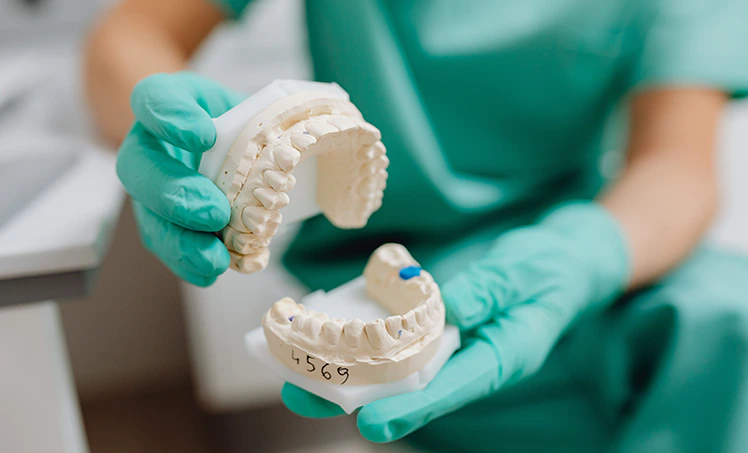
If the signs above line up, I send patients for a sleep study, often a home sleep test, before we settle on a guard. A grinder with undiagnosed sleep apnea needs that treated first. For those patients, a mandibular advancement appliance, which holds the lower jaw forward, can treat the breathing and the grinding at the same time.
I think of a 46-year-old woman who came in with a cracked molar and a husband who said she sounded “like someone chewing gravel.” She wanted a guard by Friday. Almost as an aside, she mentioned she’d started nodding off in the school pickup line. She did a home sleep test first, her sleep physician confirmed sleep apnea, and she left with an advancement appliance instead of a slab of acrylic that could have made her nights worse.
Here is the part that surprises people. A thick, hard acrylic guard on someone with untreated sleep apnea can make their breathing worse.
It holds the jaw slightly open and back, which can narrow the airway. A 2004 study out of the Université de Montréal found that a standard occlusal splint raised the apnea index in a meaningful share of patients.
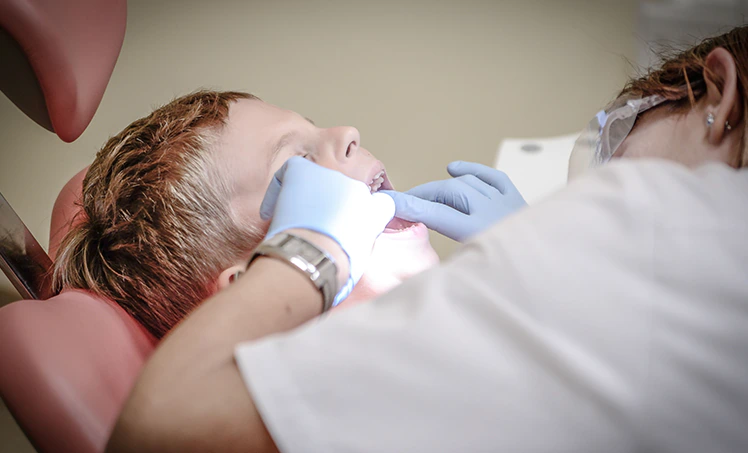
This is why I ask about snoring and sleepiness before I ever take an impression. A guard protects teeth. It does not treat the cause, and for some people it quietly adds to it.
Start with your nose. Get it working at night with saline or Xlear spray and a bedroom air filter, and if you’re always stuffy, ask for an allergy workup.
Move caffeine to before noon, and cut alcohol within three hours of bed.
Magnesium glycinate at night helps some of my patients sleep deeper. The evidence is thin, but the downside is small, and I’m comfortable saying exactly that.
If daytime clenching is your pattern, put a sticky note on your monitor: “lips together, teeth apart, tongue on the roof of your mouth.” That is the resting position your jaw should live in, and most of us forget it by 10 a.m.
Teeth grinding is often your jaw’s way of holding the airway open during a micro-arousal, with stress and late caffeine piling on. A night guard saves your enamel, and that is all it does. If you grind and you also snore or wake up tired, get a sleep study before you settle for plastic, and fix your nasal breathing either way.
Is teeth grinding a sign of sleep apnea? It can be. Research has found grinding episodes clustering right after breathing pauses in many patients, so I treat grinding as a possible airway clue until proven otherwise. If you also snore, wake with a dry mouth, or feel tired after a full night, ask your doctor or dentist about a home sleep test.
Can teeth grinding cause headaches and jaw pain? Yes. Morning headaches at the temples and jaw pain when you chew are two of the most common signs I see. Your jaw muscles have been working a night shift, and they feel like it. Visibly bigger cheek muscles are another clue that your jaw is doing far more work than it should.
Is a soft or hard night guard better for grinding? It depends on what is driving the grinding. A hard acrylic guard protects teeth well, but on someone with untreated sleep apnea it can narrow the airway and make breathing worse. Get the airway question answered first, then choose the guard, or a mandibular advancement appliance if apnea turns out to be part of the picture.
Does magnesium help with teeth grinding? Some of my patients sleep deeper with magnesium glycinate at night, and deeper sleep can mean fewer arousals. The evidence is thin, so treat it as a low-risk experiment. It won’t solve grinding that comes from a narrowed airway, so pair it with nasal breathing work.
Dr. Staci Whitman, DMD, FMCP, is a board-certified dentist and is certified in functional medicine. She is based in Portland, Oregon and is the author of SPIT (Crown, 2027).