Discover more from Dr. Staci on Substack.
Fix cavities, bad breath, receding gums, snoring, and hormones at the root. Weekly at-home tips from a board-certified dentist, because “brush, floss, and avoid sugar” were never the only answers. 🦷

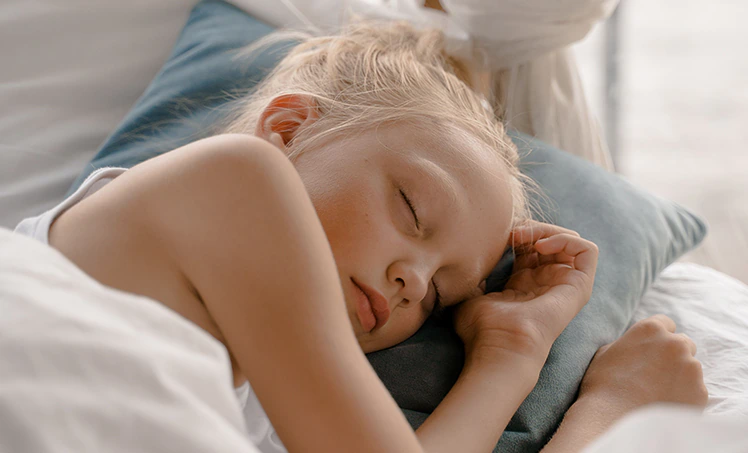

My take: grinding in children is common and usually harmless to the baby teeth. It’s also one of the best clues I have that a child’s airway is narrower than it should be. I want to know why that jaw is working so hard in the dark.
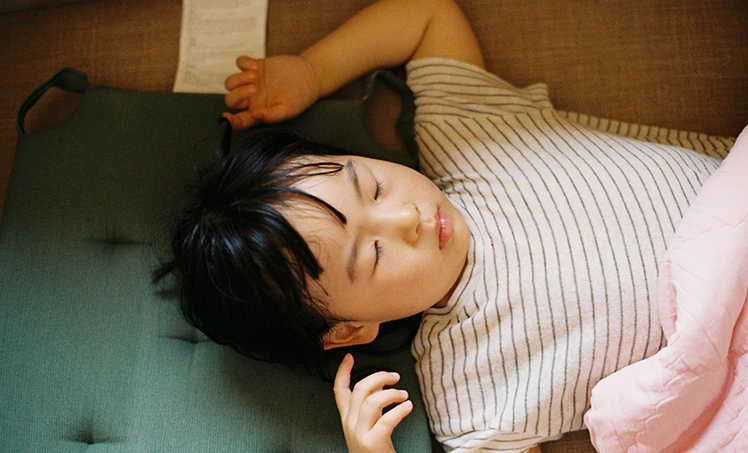
The most overlooked reason is the airway. When a sleeping child’s airway narrows, the brain nudges the jaw forward to open it back up, and that forward thrust across the upper teeth is the grinding you hear. Stress, new teeth coming in and nighttime reflux are the other big causes.
Here’s how the airway version plays out. The brain registers the drop in airflow and triggers a micro-arousal. One of the fastest ways to reopen the airway is to push the lower jaw forward and tense the muscles around the throat.
Grinding, in other words, can be a rescue move.
Researchers in São Paulo followed a group of children through adenotonsillectomy in the early 2000s and watched bruxism drop from close to half of the children before surgery to around one in ten afterward. Fix the airway and the grinding often quiets on its own.
Sometimes the grinding is the body’s way of holding the door open for air.
That’s why, when a parent tells me about grinding, my next questions are about snoring, mouth breathing, restless sleep and the size of the tonsils.
One dad held his phone up to my ear in the exam room like he was presenting evidence at trial. “Listen. It sounds like she’s chewing gravel.” When I asked whether his six-year-old snored, he and his wife looked at each other and said yes at the same time, every night, and she sweats through her pajamas too. Her tonsils nearly touched in the middle. A few months after the ENT took them out, he texted me one line: “The gravel stopped.”
Stress and anxiety show up in the jaw at every age. A new sibling, a new school or a rough patch at home can start a grinding season.
Reflux at night makes some children grind, and it erodes enamel while it’s at it.
Bite changes during tooth eruption are a normal cause in the six-to-twelve window. Secondhand smoke and some medications raise the odds.
And then there are pinworms. They come up constantly in the parenting forums. The evidence linking them directly to grinding is thin, but the itching does wreck sleep, which brings us right back to arousals.
Very common, and usually nothing to panic about. Depending on the study, somewhere between a fifth and a third of children grind at some point, with a peak in the preschool and early school years. Most of it fades on its own by the time the adult teeth are in.
Sleep bruxism happens in short bursts of rhythmic jaw activity that line up with brief arousals, the moments when the brain surfaces partway out of sleep.
Toddler grinding is often just a new set of molars coming in and a bite that hasn’t settled yet. The jaw explores the new arrangement the way your tongue explores a new filling.
Watch and listen for a few nights. You’re a detective now, with a flashlight and a baby monitor.
Then look in the mouth in good light. Tonsils that nearly meet in the middle and a high, narrow palate are both worth mentioning to me and to your pediatrician.
If the answers point to airway, ask for a sleep screen and an ENT referral before anyone mentions a night guard.
Rarely, and almost never under age ten or so.
A guard on a child is a plastic appliance sitting on a jaw that is still growing and teeth that are still erupting. It can get in the way of both. And it treats the noise while leaving the cause alone.
Guards earn their place for older children and teens with permanent teeth showing real wear, or with jaw pain. Even then, I want the airway question answered first.
A hard guard on a child with an undiagnosed breathing problem can hold the jaw in a position that makes the airway worse. That’s the one scenario I really want to avoid.
Wear on baby teeth is common and usually fine. Those teeth are on their way out anyway, and they’re tougher than they sound at 11 p.m.
Grinding by itself doesn’t mean your child is anxious, and it doesn’t mean the adult teeth will be damaged.
What changes my mind: wear on permanent teeth, jaw or ear pain, headaches on waking, or grinding paired with snoring and restless sleep.
A child grinding teeth at night is common and the baby teeth usually shrug it off. Treat the grinding as a question: is the airway open, is the child stressed, is the bite shifting, is reflux in the picture. Snoring plus grinding sends me straight to a sleep screen, and a night guard is the last tool I reach for.
Can I stop my child from grinding teeth while they sleep? Waking them or pushing on the jaw won’t help, and it just breaks up their sleep. Work on the cause instead: check breathing and snoring, calm the bedtime routine if stress is in the picture, and talk to your pediatrician if reflux is a suspect. When the cause eases, the grinding usually follows.
Is teeth grinding in children a sign of sleep apnea? It can be one of the signs, especially when it shows up alongside snoring, gasps, an open mouth, restless sleep or bedwetting. Grinding alone doesn’t diagnose anything. Grinding plus snoring is the combination that makes me ask for a sleep screen and a look at the tonsils and adenoids.
At what age do children stop grinding their teeth? Most grinding fades on its own by the time the adult teeth are in, often around the end of the six-to-twelve window when the bite settles. If grinding continues onto permanent teeth with visible wear, jaw pain or morning headaches, that’s when I want a closer look.
Can a child grind their teeth during the day too? Yes, though daytime clenching is usually quieter and easier to miss. It tends to show up during concentration, screens or stress. A gentle “lips together, teeth apart” reminder helps, and it’s worth noticing whether the daytime habit lines up with stressful stretches at school or home.
Dr. Staci Whitman, DMD, FMCP, is a board-certified dentist and is certified in functional medicine. She is based in Portland, Oregon and is the author of SPIT (Crown, 2027).