Discover more from Dr. Staci on Substack.
Fix cavities, bad breath, receding gums, snoring, and hormones at the root. Weekly at-home tips from a board-certified dentist, because “brush, floss, and avoid sugar” were never the only answers. 🦷

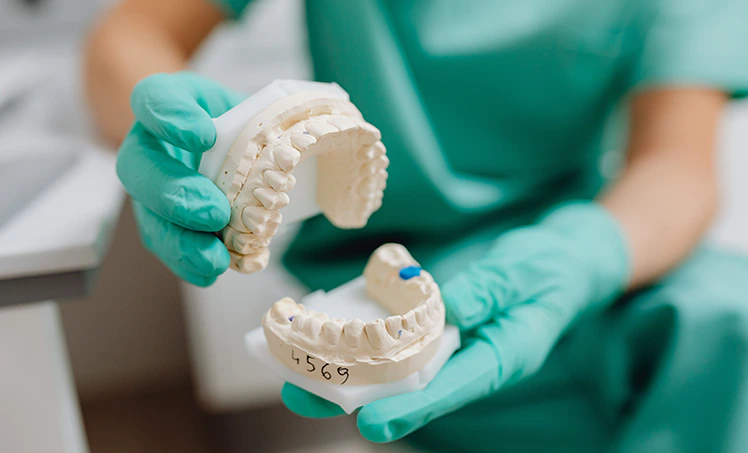

Saliva is the most underrated fluid in the body. It buffers acid, and it bathes your teeth in the calcium and phosphate they lose to every meal.
Take it away, and a mouth can go from fine to falling apart in a year.
Yes, fast. Without enough saliva, acid sits on your teeth longer and the minerals that repair enamel never arrive.
A healthy adult makes somewhere between half a liter and a liter and a half of saliva a day, and almost all of it is doing quiet chemistry.
After every bite or sip, plaque bacteria turn carbohydrates into acid. The pH at the tooth surface drops below 5.5, the point where enamel begins to dissolve.
Saliva’s bicarbonate neutralizes that acid within 20 to 40 minutes, and its dissolved minerals reload the enamel. Your mouth is basically running a repair crew after every snack.
No saliva, no repair crew.
Saliva also carries antimicrobial proteins (lysozyme, lactoferrin, and secretory IgA) that keep the bacterial population in check. A dry mouth grows more plaque and more gum inflammation, too.
The clinical name is xerostomia, and the cavities it produces show up in an unusual place: along the gumline and on root surfaces, where saliva normally pools.
Medications top the list. Mouth breathing comes next, then hormones, then a handful of medical conditions.
More than 400 drugs list dry mouth as a side effect. The usual offenders are antihistamines and antidepressants, followed by blood pressure medications like diuretics and beta blockers.
ADHD stimulants and opioids do it too, as do the anticholinergics prescribed for an overactive bladder.
If your dry mouth started within a few months of a new prescription, that’s your lead suspect.
One woman sat down and said, “I wake up with my tongue glued to the roof of my mouth, and I have two new cavities. What is happening to me?” We went down her list together, and the nightly allergy pill she’d started that spring jumped right out. She took that list to her doctor, and the fix started there.
This is the cause I find most often that nobody has ever mentioned to the patient.
Saliva flow already drops during sleep. Add an open mouth and eight hours of moving air, and you wake up with a tongue like sandpaper and a sore throat.
Estrogen supports salivary gland function, so perimenopause and menopause frequently bring dry mouth along with the hot flashes. Nobody warns you about this one.
Sjögren’s syndrome, an autoimmune condition that attacks the salivary and tear glands, is worth testing for if your eyes are dry as well.
Poorly controlled diabetes dehydrates you through high blood sugar. And radiation for head and neck cancer can damage the glands directly.
Most often, because you’re breathing through your mouth while you sleep. Dry mouth at night that eases up during the day points at the nose and the airway, and away from the glands.
A new seasonal allergy can push you into mouth breathing at night, and so can weight gain that narrows the airway or a CPAP mask that leaks.
Waking up parched night after night, especially with snoring or morning headaches, is also worth bringing up with your doctor, because it can be a sign of sleep apnea.
Start with the nose, then chew, then look at what’s in your bathroom cabinet.
Clear the nose. Use saline or a xylitol spray like Xlear, and get the allergies treated. If you’re an adult who can breathe comfortably through your nose for a minute with your mouth closed, consider mouth tape at night.
Chew. Xylitol gum or mints after meals stimulate saliva and starve the cavity bacteria at the same time. Aim for a few grams spread through the day.
Real food helps here too. Chewing fibrous vegetables triggers more flow than soft, processed meals, which is a nice bonus for anyone who likes a crunchy salad.
Hydrate smarter. Plain water is fine, but if you’re sweating or drinking a lot of coffee, a pinch of salt or an electrolyte mix helps the water stick. Run a humidifier in the bedroom in dry months.
Swap your toothpaste. Choose a hydroxyapatite toothpaste without sodium lauryl sulfate. SLS irritates dry tissue, and hydroxyapatite replaces the minerals saliva is failing to deliver.
Bring your medication list to your doctor. Sometimes a dose can move to the morning, or a drug can be swapped for a gentler cousin.
Alcohol-based mouthwash is the most common self-inflicted wound I see. It strips moisture and sets up rebound dryness within the hour.
Sugary lozenges and cough drops sucked all day bathe your teeth in sugar with no saliva around to clean up.
And sipping sparkling water or lemon water for “hydration” adds acid on top of dryness. Your teeth get the worst of both.
Some dry mouth needs a doctor’s hand. Sjögren’s, gland damage from radiation, and medications you truly can’t stop won’t fully resolve with gum and a humidifier.
In those cases, the goal shifts to protecting your teeth: more frequent dental visits, remineralizing toothpaste, and a dentist who knows to check the gumline and root surfaces.
Dry mouth causes start with medications and mouth breathing, and hormones are the next place I look. Saliva keeps your teeth remineralized and your bacteria in check, so a dry mouth is a cavity factory until you fix it. Get your nose working, chew xylitol after meals, and bring your prescription list to your doctor.
Is dry mouth a sign of diabetes? It can be. High blood sugar pulls water out of the body, and dry mouth with constant thirst and frequent urination is a classic combination worth a blood test. Dry mouth alone has many more common causes, especially medications and mouth breathing, so look at those first and let your doctor rule out diabetes.
Can anxiety cause dry mouth? Yes. When your stress response kicks in, saliva flow drops; that’s the cotton mouth before a big presentation. Anxiety also tends to bring mouth breathing and, often, medications that dry the mouth further. If yours comes and goes with stress, nasal breathing and slow exhales can help in the moment.
Is it bad to sleep with your mouth open? For your teeth, yes. An open mouth all night dries out the saliva that protects enamel, which raises your cavity and gum disease risk. It also tends to come with snoring and poorer sleep. Get your nose checked first, and talk to a dentist or doctor about airway-focused options before trying mouth tape.
Does drinking more water fix dry mouth? It helps, but only partly. Water wets the mouth for a few minutes and can’t do saliva’s job of buffering acid and remineralizing enamel. Sip throughout the day and stay hydrated, then focus on the things that actually restore flow: nasal breathing, chewing, xylitol, and a medication review.
Dr. Staci Whitman, DMD, FMCP, is a board-certified dentist and is certified in functional medicine. She is based in Portland, Oregon and is the author of SPIT (Crown, 2027).