Discover more from Dr. Staci on Substack.
Fix cavities, bad breath, receding gums, snoring, and hormones at the root. Weekly at-home tips from a board-certified dentist, because “brush, floss, and avoid sugar” were never the only answers. 🦷

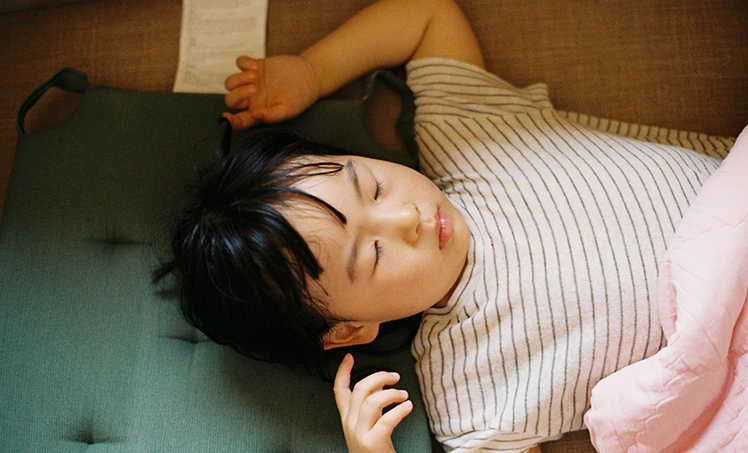

I watch every one. Child snoring is one of the loudest clues I get about a small airway, literally and figuratively.
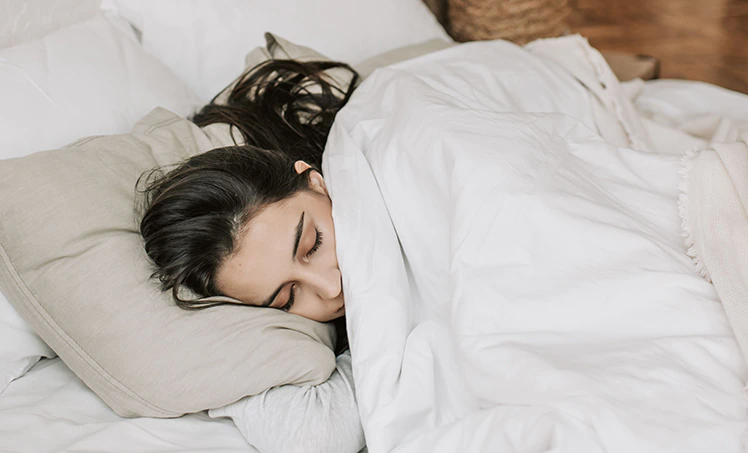
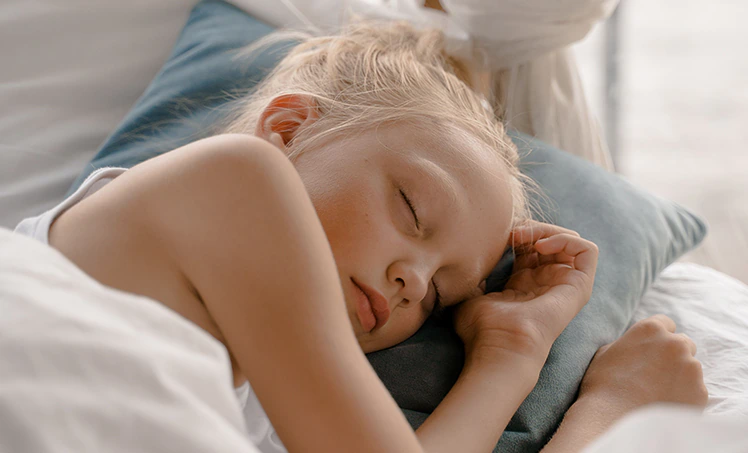
One mom texted me a 40-second clip at 11 p.m. with the caption “cute or bad??” Her four-year-old was flat on his back with his head tipped over the edge of the pillow and his mouth wide open, and every few breaths the snoring stopped dead for a beat before a little gasp restarted it. Those pauses were what made me sit up. After an ENT took out his tonsils and adenoids that winter, she sent a new video: silence, lips closed, which she called the most boring clip she had ever been proud of.
I agree with the American Academy of Pediatrics here. A child who snores most nights deserves a real evaluation, and “he’ll grow out of it” is a hope. I want a plan.
A few nights with a cold, yes. Snoring three or more nights a week without a cold is a reason to get checked.
Children get stuffy, they snore, the cold passes and the snoring goes with it. Regular snoring is a different animal.
The AAP’s guideline on pediatric sleep apnea asks pediatricians to screen every child for snoring at routine visits, and to look further at any child who snores three or more nights a week without a cold.
Somewhere around one in ten children snores habitually. One to five percent have true obstructive sleep apnea, where the airway closes enough to drop oxygen and jolt the brain awake. The rest sit on a spectrum of sleep-disordered breathing, which still costs a child restorative sleep.
Worried, no. Curious enough to book an appointment, yes.
A child who keeps surfacing to reopen an airway spends less time in deep sleep and pays for it the next day. In adults that looks like drowsiness. In children it usually looks like the opposite: busy, bouncy, short-fused.
Toddler snoring most often traces back to two things: enlarged tonsils and adenoids, which are at their biggest between ages three and seven, and allergies that swell the nose shut. School-age snoring is where I start seeing a third cause, a narrow upper jaw that leaves little room for the tongue.
Snoring is the headline. The supporting cast tells me more.
At night, watch for:
Then the daytime tells. Hard to wake, cranky, hyperactive, struggling to focus at school, and sometimes labeled with an attention problem before anyone asks how the child sleeps.
A snoring child is often a sleep-deprived child in a very good disguise.
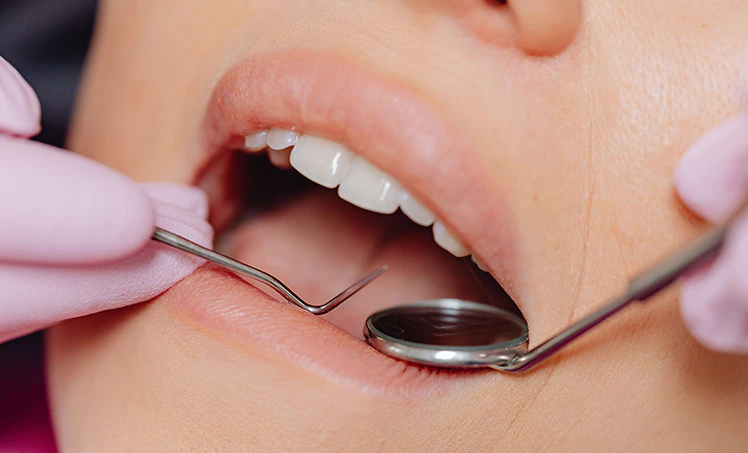
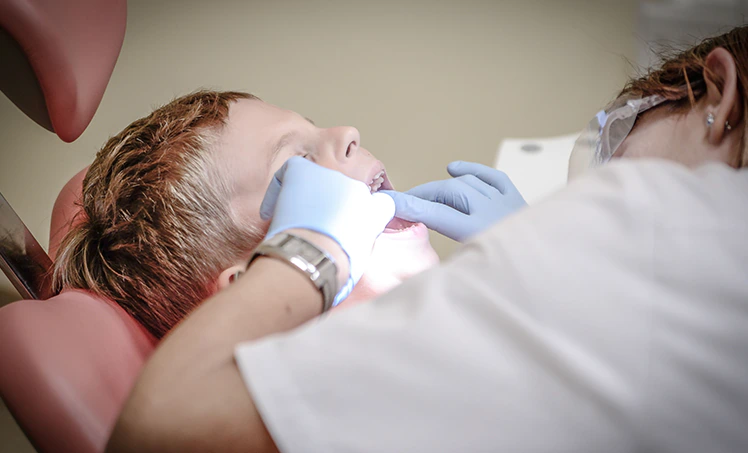
A lot, which surprises parents. The mouth is basically the airway’s front porch.
I look for a high, narrow palate, because the palate is the floor of the nose and a narrow one means a narrow nasal airway.
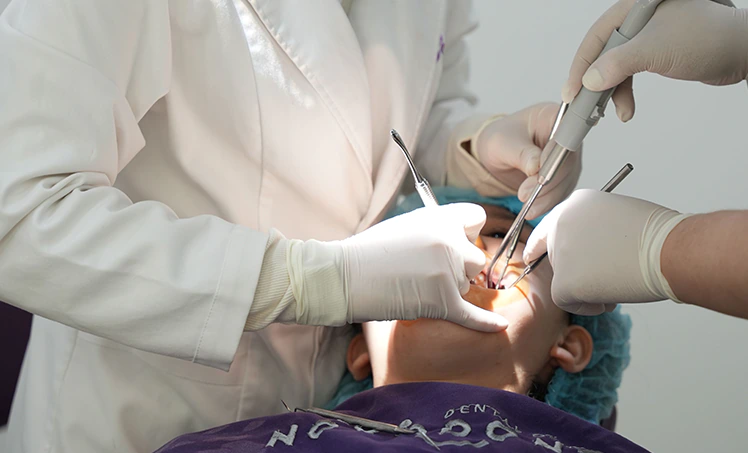
I look at tonsil size with the tongue relaxed. If they nearly touch in the midline, that child is breathing through a slot.
A scalloped edge on the tongue, where it has been pressing against the teeth, tells me the tongue is too big for the space it has been given. Flat, worn baby molars point to nighttime grinding. Dark circles under the eyes and chapped lips round out the picture.
None of this diagnoses apnea. All of it tells me who needs the next step.
Start with your pediatrician and ask directly for a sleep apnea screen. Use those words; it gets you further than “he snores a little.”
From there the path usually runs through an ENT, and for many children a sleep study, the gold standard for sorting snoring from apnea.
Treatment depends on where the airway is narrow.
When the tonsils and adenoids are the block, removing them is the first-line treatment. The 2013 CHAT trial in the New England Journal of Medicine found children who had the surgery improved in behavior and quality of life compared with watchful waiting.
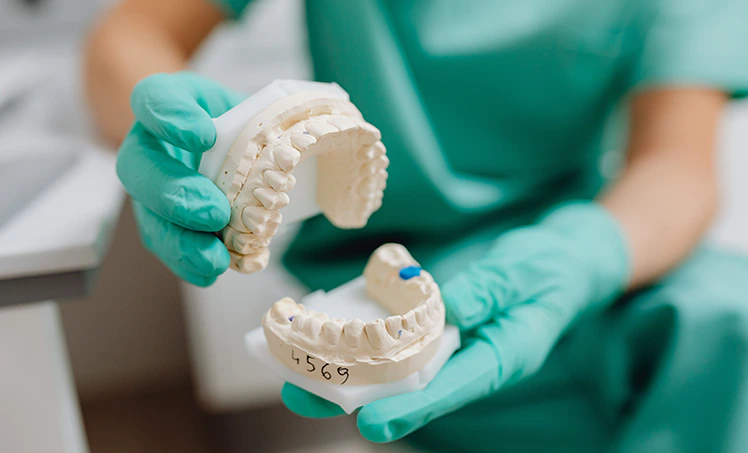
Where the jaw is the block, an airway-aware dentist or orthodontist can widen the palate with an expander, which in a 2004 Italian study resolved apnea in most of the children treated.
Myofunctional therapy and allergy treatment support all of it, and Xlear nasal spray before bed helps.
Melatonin, a later bedtime, a weighted blanket and a white noise machine can help a child fall asleep. That’s a real benefit, and I’m not knocking it.
But none of them opens an airway. A child who snores through the night on melatonin is still snoring, just more peacefully from your side of the wall.
Child snoring with a cold is normal. Child snoring three or more nights a week without one is a screening trigger, and the signs around it (open mouth, restless sweaty sleep, bedwetting, grinding, wired days) add up to a picture worth showing a doctor. Ask your pediatrician for a sleep apnea screen, and expect the fix to depend on where the airway is narrow.
Why does my child snore so loud for such a small person? Loud snoring usually means air is squeezing through a tight space, most often big tonsils and adenoids or a swollen, allergic nose. Volume alone doesn’t tell you whether it’s apnea. Pauses, gasps, an open mouth and restless sleep tell you more, and a sleep study settles it.
Should I record my child snoring for the doctor? Yes, please. A one or two minute phone video from the doorway shows the sound, the breathing pauses, mouth position and how much they’re moving. It’s often more useful than a description at 10 a.m. in a bright exam room, and it’s exactly what I look at when parents send them to me.
Can a child with sleep apnea seem perfectly fine during the day? Yes. Many don’t look sleepy at all. They look energetic, distracted or quick to melt down. That’s why the AAP wants pediatricians asking about snoring at every routine visit, because the daytime picture can point everyone in the wrong direction.
Do children outgrow snoring? Some do, especially as tonsils and adenoids shrink after the three-to-seven peak. But waiting isn’t a plan if your child snores most nights now, because the sleep they’re losing is happening now. Get the screen, find out where the narrowing is, and then decide together whether watching is reasonable.
Dr. Staci Whitman, DMD, FMCP, is a board-certified dentist and is certified in functional medicine. She is based in Portland, Oregon and is the author of SPIT (Crown, 2027).