Discover more from Dr. Staci on Substack.
Fix cavities, bad breath, receding gums, snoring, and hormones at the root. Weekly at-home tips from a board-certified dentist, because “brush, floss, and avoid sugar” were never the only answers. 🦷


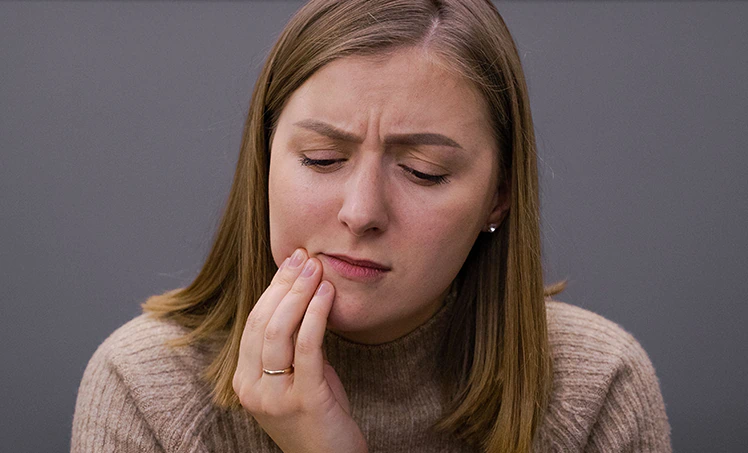
I say that to patients every week, because somewhere along the way a little pink in the sink got filed under normal. It is actually one of the most useful early warnings your body hands you for free. Bleeding gums mean inflammation, inflammation means bacteria have set up camp under the gumline, and that inflammation has a way of leaving the mouth.
Your gums bleed because they are inflamed, almost always from plaque sitting at the gumline. That is gingivitis, and it is very reversible.
The mechanism is short. Plaque, the soft film of bacteria, collects along the gumline and in the tiny groove where gum meets tooth. When it sits there for more than a day or two, your immune system responds the way it responds to any invader: it sends blood.
The capillaries in the gum dilate, the tissue swells and turns fragile, and the lightest touch from a brush breaks those engorged vessels open. The bleeding is the sign of a fight already in progress.
Probably not, at least as the cause of the bleeding. That is the explanation most people reach for, and it rarely holds up.
Scrubbing can damage gums over time, and it is worth softening your technique anyway. But healthy gum tissue doesn’t bleed from normal brushing pressure.
It is common, and it is still a sign of inflammation. Bleeding gums when flossing follow the same logic as brushing: the floss found an inflamed spot that was already primed to bleed.
If the bleeding shows up in only one or two places, congratulations, you just found the spots you have been missing.
Because gum inflammation shows up in your blood work. It raises C-reactive protein and other inflammatory markers in the bloodstream, and bleeding gums give oral bacteria a direct route into circulation.
That is the mechanism behind the well-documented associations between periodontal disease and both heart disease and poorly controlled blood sugar. Cause and effect is still being argued about in the journals. The shared inflammation is real, though, and I would rather you fix a cheap problem early than debate causation later.
Both can, and they are two of the most overlooked causes.
Pregnancy sends progesterone up, which makes gum tissue react more strongly to the same amount of plaque. Somewhere between 60 and 75 percent of pregnant women develop some gingivitis.
Perimenopause and menopause thin the gums and reduce saliva, which shifts the bacterial mix in the mouth. Very few women hear about this ahead of time.
A 47-year-old runner sat in my chair once, genuinely offended. “I floss every single night. I have flossed every night since college. Why am I suddenly bleeding?” Her technique was great. Her gums were puffy and shiny anyway, and when I asked about her cycle she laughed and said, “Which one? It shows up whenever it feels like it.” Her flossing hadn’t changed. Her hormones had.
Low vitamin C is a classic cause of gum bleeding. A 2021 analysis of national survey data from the University of Washington found that people with lower vitamin C levels bled more, even at intakes above the official deficiency line. Sailors with scurvy would not be surprised.
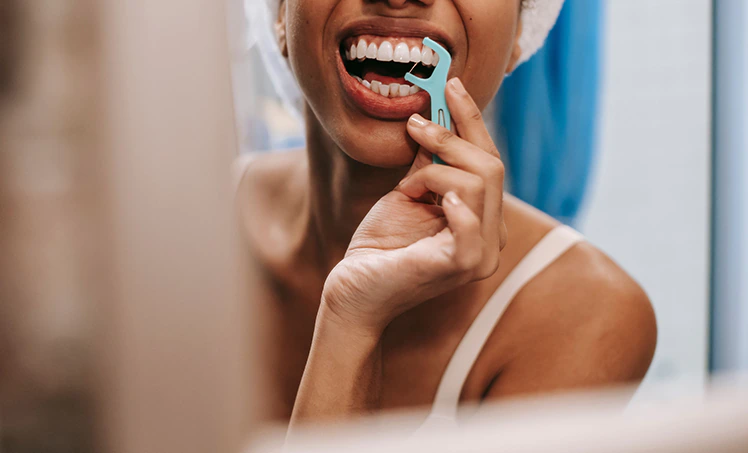
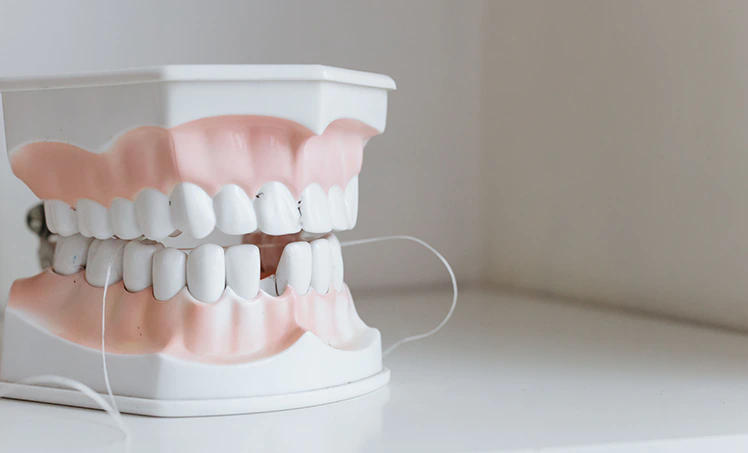
Floss more. The instinct when floss draws blood is to back off, and that is exactly backward.
Clean the spot every day with floss or a water flosser. The bleeding tapers off within about 7 to 10 days as the bacteria load drops and the vessels calm down.
Pair that with a soft brush angled at 45 degrees into the gumline, moving in small, gentle circles. A hydroxyapatite paste like Boka or RiseWell is kind to inflamed tissue, and scraping your tongue in the morning cuts down the bacteria that reseed the gums.
A few more moves that help the tissue heal:
If you have done all of the above for two weeks and your gums still bleed, get evaluated.
Persistent bleeding can mean the inflammation has moved into the bone. That is periodontitis, and it needs a deeper cleaning.
Blood thinners like aspirin or warfarin make gums bleed more easily. And rarely, gums that bleed on their own, or bruising along with the rest of you, can point to a clotting or blood cell problem that deserves a physician’s attention.
Bleeding gums are inflammation, and inflammation is a signal worth reading. Floss the spots that bleed every day and brush soft at the gumline, and the bleeding should stop in about ten days. If it doesn’t, that is your cue to get checked.
Should I stop flossing if my gums bleed? Keep going. Bleeding during flossing means the spot is inflamed, and the only way to calm it is to clear out the plaque driving that inflammation. Be gentle, hug the floss around each tooth, and stay consistent. Most people see the bleeding taper off within about 7 to 10 days of daily cleaning.
How long does it take for bleeding gums to heal? With daily flossing and a soft brush angled into the gumline, gingivitis usually calms down in about 7 to 10 days. If you still see blood after two weeks of good care, tartar or deeper periodontal inflammation is likely involved, and that needs a professional cleaning and evaluation.
Are bleeding gums a sign of something serious? Usually they are a sign of gingivitis, which is common and reversible. Bleeding that persists after two weeks of good care deserves an exam, since it can mean periodontitis. Gums that bleed without being touched, or bleeding along with easy bruising elsewhere, is worth mentioning to your physician.
Does vitamin C help bleeding gums? If your levels are low, it can. Low vitamin C is a classic cause of gum bleeding, and a 2021 University of Washington analysis found more bleeding in people with lower levels, even above the official deficiency cutoff. Citrus and peppers are easy sources. Pair food with flossing, since vitamin C can’t remove plaque.
Dr. Staci Whitman, DMD, FMCP, is a board-certified dentist and is certified in functional medicine. She is based in Portland, Oregon and is the author of SPIT (Crown, 2027).