Discover more from Dr. Staci on Substack.
Fix cavities, bad breath, receding gums, snoring, and hormones at the root. Weekly at-home tips from a board-certified dentist, because “brush, floss, and avoid sugar” were never the only answers. 🦷

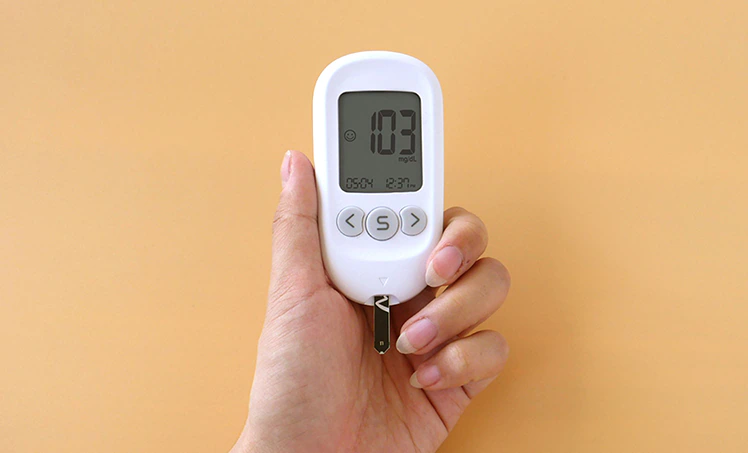

One of them was a man in his early fifties who came in because his gums “bleed like crazy” and he’d had two gum abscesses in a year. He kept a water bottle wedged between his knees the whole appointment. When I asked about his last blood work, he laughed and said, “Define last.” His A1c came back well into diabetes territory, and it was news to him.
Diabetes and gum disease are so tightly linked that researchers have called periodontitis the sixth complication of diabetes. The traffic runs both ways: blood sugar drives gum inflammation, and gum inflammation drives blood sugar.
And a loop can be broken from either side.
High blood sugar feeds gum bacteria and weakens the immune cells that fight them. People with diabetes are about three times as likely to have periodontitis, and the risk tracks with how well the sugar is controlled.
Glucose spills into your saliva and into the fluid in the gum pockets, which feeds the bacteria that cause periodontitis. It’s a buffet left out on the counter all day.
At the same time, excess sugar in the blood attaches to proteins and forms advanced glycation end products (AGEs). These sticky compounds stiffen collagen and keep immune cells in a state of low-grade alarm.
White blood cells in a poorly controlled diabetic mouth show up late and fight badly. Small blood vessels in the gums narrow, so healing slows.
Put it together, and a person with an A1c of 9 gets a deeper, faster gum infection from the same plaque that would give someone else mild gingivitis.
Yes, and this is the direction most people have never heard about.
Periodontitis is a chronic infection, and a chronic infection pumps inflammatory messengers like TNF-alpha and interleukin-6 into the bloodstream around the clock. Those same molecules interfere with insulin signaling in muscle and liver cells, which is the definition of insulin resistance.
Inflamed gums make your body worse at using the insulin it has, and that pushes blood sugar up.
The same connection shows up in prediabetes, where periodontitis raises the odds of progressing to full diabetes.
Yes, by about 0.4 percentage points. A Cochrane review updated in 2022 pooled dozens of randomized trials and found that periodontal treatment lowered HbA1c by roughly that much at three to four months in people with type 2 diabetes.
The treatment in those trials was scaling and root planing, a deep cleaning below the gumline.
That number sounds small until you know that some add-on diabetes medications buy a comparable amount. It’s a measurable effect from an intervention whose main side effect is a sore mouth for a few days.
Often, yes, because the mouth reacts fast to high blood sugar. Dentists see diabetes early.
The classic picture includes gums that bleed and stay puffy despite decent brushing, and a dry mouth that has you waking up reaching for water. Add recurring thrush (white patches on the tongue or cheeks), slow healing after a cleaning or extraction, a burning tongue and multiple gum abscesses.
Research out of Columbia and NYU around 2011 showed that a dentist using gum measurements plus a finger-stick A1c could identify most people with undiagnosed diabetes and prediabetes.
If I see two or three of those signs in a patient without a diagnosis, I send them for an A1c and a fasting glucose.
Tell your dentist, and bring your latest A1c. Your mouth and your numbers belong in the same conversation.
The standard is cleanings every three months instead of six, a periodontal exam with pocket measurements at each visit, and aggressive home care at the gumline.
Xylitol gum after meals helps with dry mouth and starves the cavity bacteria. A hydroxyapatite toothpaste replaces the mineral that a dry, acidic mouth strips away.
Eat in fewer windows, which helps both your mouth and your glucose curve. And breathe through your nose at night to protect the saliva you have.
Scaling and root planing lowers A1c by a few tenths of a point. Metformin and the dietary changes that drive most of the improvement in type 2 diabetes still do the heavy lifting.
The effect also fades if the gums re-inflame, so the maintenance visits are where the benefit lives. Treat your mouth as one lever in your diabetes plan, and keep pulling the others.
Diabetes and gum disease feed each other: high glucose makes gum infections deeper and harder to heal, and gum infections raise insulin resistance and push A1c up. Treating periodontitis drops A1c by about 0.4 points, in the range of some add-on medications, so if you have diabetes, get a periodontal exam and keep the three-month cleanings. If your gums bleed, your mouth is dry and you have never been tested, ask for an A1c.
How often should someone with diabetes get their teeth cleaned? Every three months is the standard I follow, with a periodontal exam and pocket measurements at each visit. Gums in a high-sugar environment re-inflame faster, and the A1c benefit from gum treatment fades if they do. Bring your latest A1c so your dentist can see how the two are trending together.
Is gum disease a sign of prediabetes? It can be one of the early clues. Gums that stay puffy and bleed despite good brushing, along with dry mouth or slow healing, are signs I take seriously. Periodontitis also raises the odds of prediabetes progressing to full diabetes, so if your gums look like this and you’ve never been tested, ask for an A1c.
Does type 1 diabetes affect gums too? The mechanism in this article (glucose feeding gum bacteria, AGEs stiffening tissue, slower healing) comes from high blood sugar itself, so any diabetes that runs high can affect gums. The A1c trials I cite were done in type 2. Whatever your type, steady blood sugar and three-month cleanings protect your gums.
Why is my mouth so dry with diabetes? Dry mouth is one of the classic oral signs of high blood sugar, and many people with diabetes wake up reaching for water. Less saliva means less natural rinsing and remineralizing. Sip water through the day, chew xylitol gum after meals, breathe through your nose at night and use a hydroxyapatite toothpaste.
Dr. Staci Whitman, DMD, FMCP, is a board-certified dentist and is certified in functional medicine. She is based in Portland, Oregon and is the author of SPIT (Crown, 2027).