Discover more from Dr. Staci on Substack.
Fix cavities, bad breath, receding gums, snoring, and hormones at the root. Weekly at-home tips from a board-certified dentist, because “brush, floss, and avoid sugar” were never the only answers. 🦷



The minty stuff is aimed at the smell. The source is somewhere else. About nine out of ten cases of halitosis start inside the mouth, and most of those start on the back of the tongue.
The plan for how to get rid of bad breath is short and mostly free. It works in a specific order, and the mouthwash aisle sits near the bottom of the list.
Bad breath is mostly gas made by bacteria. Specifically, it comes from volatile sulfur compounds, mainly hydrogen sulfide and methyl mercaptan, which certain anaerobic bacteria release when they break down proteins from food debris and dead cells.
Those bacteria love places with no oxygen and no cleaning. Their favorite addresses are the deep grooves at the back of the tongue, the pockets under inflamed gums, the crypts of the tonsils, and the gaps between teeth that a toothbrush can’t reach.
Most likely, it’s your tongue. The tongue coating alone accounts for the majority of cases, and a toothbrush barely touches it.
The question almost never comes during the exam. It comes when the bib is off and someone is halfway out of the chair, one hand on the door: “Can I ask you something embarrassing?” Then, quietly, “Does my breath smell?” One man told me his teenage daughter had started handing him gum without a word. I asked him to stick out his tongue, and the back third was coated a pale, furry white. That was our answer.
The second most likely reason is dry mouth, which is the multiplier on everything else. Saliva rinses debris away and keeps the pH neutral, and when it drops, the sulfur crowd flourishes.
That is the entire story behind morning breath. It is also why mouth breathers, and people on drying medications like antihistamines or antidepressants, tend to struggle with it.
Then there are the gums. Bleeding, inflamed gums are a sulfur factory, and no amount of scraping fixes a smell that is coming from under the gumline.
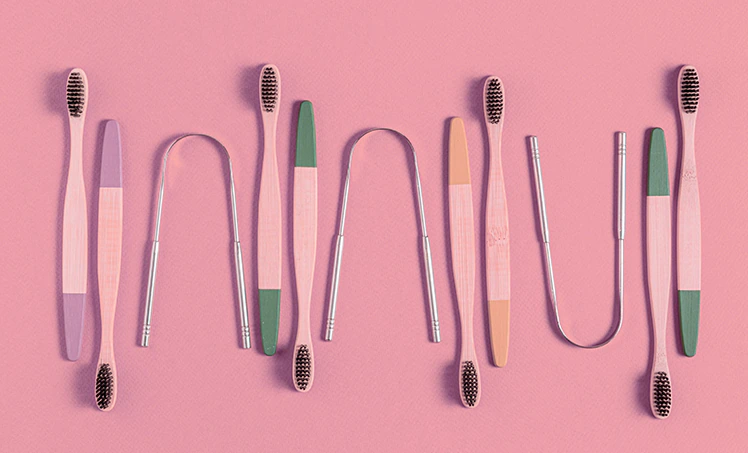
Start here, because it addresses the biggest source first. A stainless steel or copper scraper, pulled from the back of the tongue forward three or four times each morning before you drink anything, removes the coating that a toothbrush only smears around.
It is the very first thing in my own routine, before the toothbrush ever comes out.
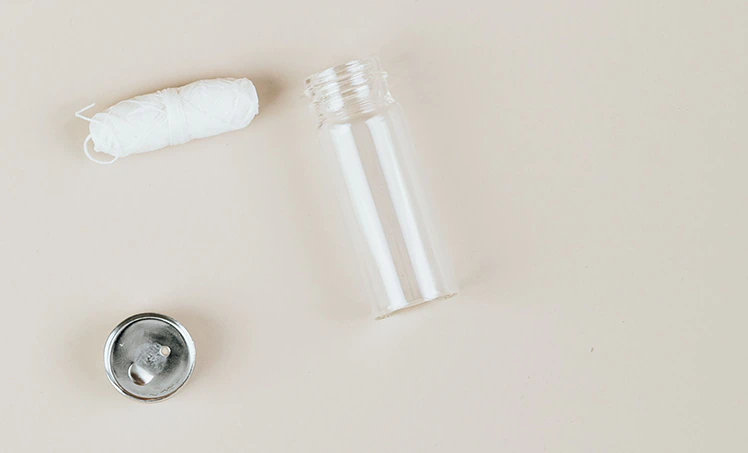
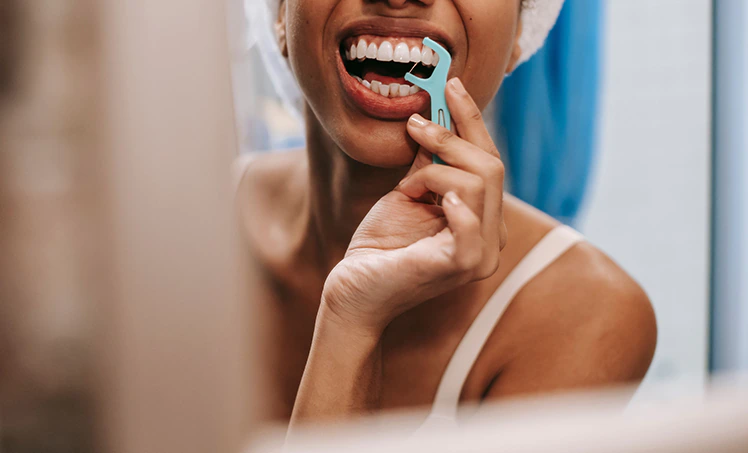
Floss between your back teeth, then smell the floss. It is a little gross and wildly informative. If it stinks, you have found a source.
Breathe through your nose during the day, and find out whether you manage it at night. A stuffy nose or snoring means your mouth is drying out for eight hours while the bacteria throw a party.
Drink water instead of sipping acidic drinks. Chew xylitol gum after meals, which pulls saliva into the mouth and starves cavity bacteria at the same time.
If your gums bleed when you brush or floss, that inflammation needs a professional cleaning plus a gentle soft-brush routine right at the gumline.
Alcohol dries the tissue, which lowers saliva, which makes the sulfur bacteria happier an hour later.
Antibacterial rinses also wipe out the beneficial tongue bacteria that convert dietary nitrate into nitric oxide for your blood vessels. You’d be trading a short-term cover-up for a long-term cost.
If you want a rinse, a pinch of baking soda or salt in water neutralizes acid and sulfur without the collateral damage. Zinc-based rinses bind sulfur compounds directly, which makes them the one store-bought option I’m happy to see in a bathroom cabinet.
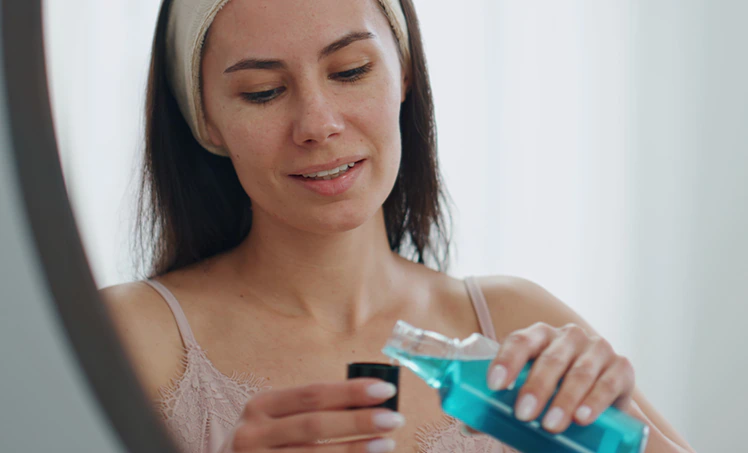
A minty rinse masks odor for about 20 minutes and changes nothing about the bacteria producing it.
If it contains alcohol, the rebound dryness can make your breath worse by lunch than it was before you rinsed. That is a rough deal for something you paid for.
Fresh breath is a side effect of a clean tongue, healthy gums and a moist mouth, and no bottle delivers those.
Yes, in roughly one in ten cases. If you’ve cleaned up your tongue, gums and moisture and nothing changed, look further down the hall:
Rarely, a sweet or ammonia-like odor points to blood sugar or kidney trouble. That is a conversation for your physician, and worth having soon.
Scrape your tongue every morning, floss every day and smell the floss, breathe through your nose, and drink water in place of alcohol rinses. Treat bleeding gums as the source they are. If two weeks of that changes nothing, look at your sinuses, your stomach and your tonsils.
Does tongue scraping really help bad breath? Yes, and it is the single highest-yield habit on this list. The coating on the back of the tongue is where most odor-making bacteria live, and a scraper lifts it off in a few seconds. A toothbrush tends to push the coating around. Do it first thing in the morning, before coffee or water.
Why does my breath smell bad even when my teeth are clean? Clean teeth cover only part of the mouth. The tongue, the gum pockets and the tonsils can all hold sulfur-producing bacteria, and a dry mouth makes all of them worse. If your teeth feel great and your breath doesn’t, start with tongue scraping and nasal breathing, then get your gums checked.
How can I tell if I have bad breath? Your nose adapts to your own smell, so breathing into your hand is unreliable. Floss your back teeth and sniff the floss, or gently scrape the back of your tongue and smell the scraper after a minute. Those two tests tell you more than any cupped-hand check, and they also show you where the smell starts.
What is the best mouthwash for bad breath? If you want one, choose an alcohol-free, zinc-based rinse, since zinc binds the sulfur compounds directly. A pinch of baking soda or salt in water works too. Skip alcohol rinses, which dry the mouth and often make breath worse by lunch. Remember that no rinse replaces scraping, flossing and a moist mouth.
Dr. Staci Whitman, DMD, FMCP, is a board-certified dentist and is certified in functional medicine. She is based in Portland, Oregon and is the author of SPIT (Crown, 2027).