Discover more from Dr. Staci on Substack.
Fix cavities, bad breath, receding gums, snoring, and hormones at the root. Weekly at-home tips from a board-certified dentist, because “brush, floss, and avoid sugar” were never the only answers. 🦷

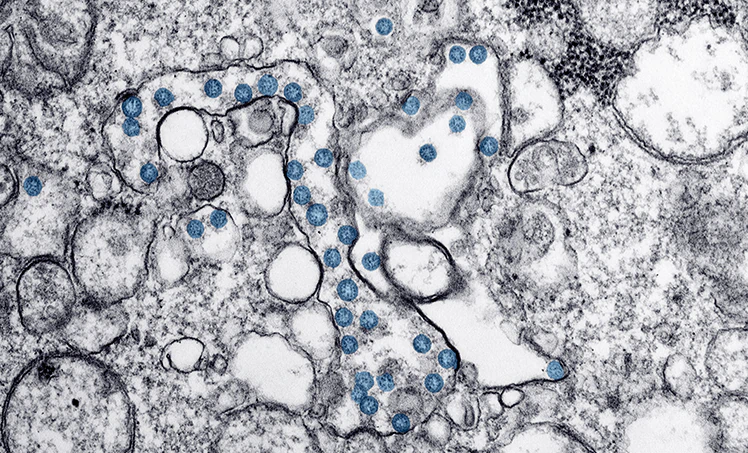

Your oral microbiome is the second largest microbial community in the body, after the gut. Most of its residents are doing jobs you want done, from crowding out troublemakers to helping regulate your blood pressure. Cavities and gum disease show up when that community tips out of balance, and having bacteria in the first place is completely normal.
The oral microbiome is the community of bacteria, fungi and viruses living in your mouth, and it is several neighborhoods sharing one zip code.
I think of the body as a tube within a tube. The digestive tract runs from your lips to the other end, and the mouth is the front door. Whatever lives there gets swallowed many hundreds of times a day and seeds everything downstream. The mouth is the gut, just the part with a view.
Inside that front door, the tongue, the teeth, the gum pockets, the cheeks and the saliva each host their own distinct community. Even the famous villain, Streptococcus mutans, the classic cavity bug, is only dangerous when it has a steady acid supply and enough plaque to hide in. Take those away and it is just another quiet tenant.
They hold territory, and some of them help make nitric oxide for your blood vessels.
Commensal streptococci and other early colonizers take up the real estate on tooth surfaces, so pathogens have nowhere to attach. Picture every parking spot already taken by a nice, boring minivan.
And then there is the crew on the back of your tongue. Veillonella, Neisseria and Rothia take the nitrate from the leafy greens and beets you eat and convert it to nitrite, which your body turns into nitric oxide. Nitric oxide relaxes blood vessels.
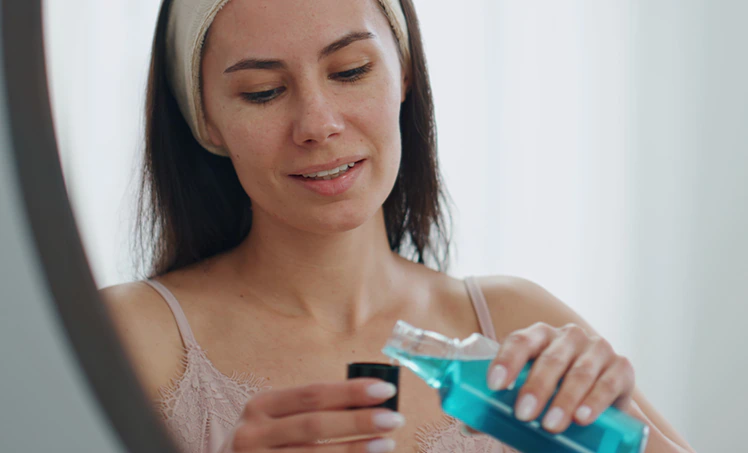
Work from Nathan Bryan’s group and others has shown that wiping out those tongue bacteria with antiseptic mouthwash can measurably raise blood pressure within days. Your salad and your tongue are on the same team, and that minty rinse is benching half the roster.
Oral dysbiosis is a community that has shifted toward the troublemakers. In the mouth, it has a few familiar faces.
Frequent snacking and sipping keep the pH low. Low pH favors acid producers like S. mutans and starves the neutral-loving majority, and over time that means cavities.
A dry mouth, whether from mouth breathing or medication, removes the saliva that buffers acid and delivers minerals. That makes the same shift happen faster.
Under the gumline, low oxygen and a steady plaque supply let anaerobes like Porphyromonas gingivalis and Fusobacterium nucleatum take over. Those two drive gum disease and most bad breath.
The associations are strong enough that I treat gum inflammation as a whole-body issue, even though cause and effect hasn’t been proven.
These bugs travel. P. gingivalis DNA has been found in arterial plaque and, in the 2019 work from Dominy and colleagues, in the brains of people with Alzheimer’s. F. nucleatum turns up in colon tumors and in placentas after preterm birth.
None of this proves the mouth caused those diseases. But a bleeding gum is an open door to the bloodstream, and this is the heart of oral-systemic health: what happens in the mouth rarely stays in the mouth.
Feed the good guys and stop bombing the neighborhood. In practice, that looks like this:
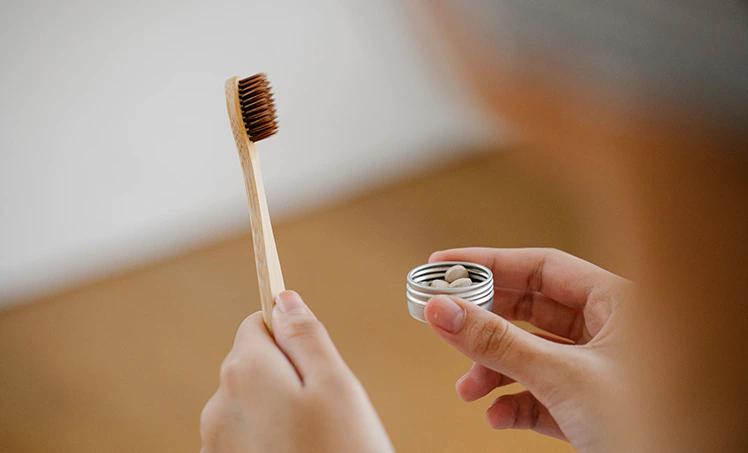
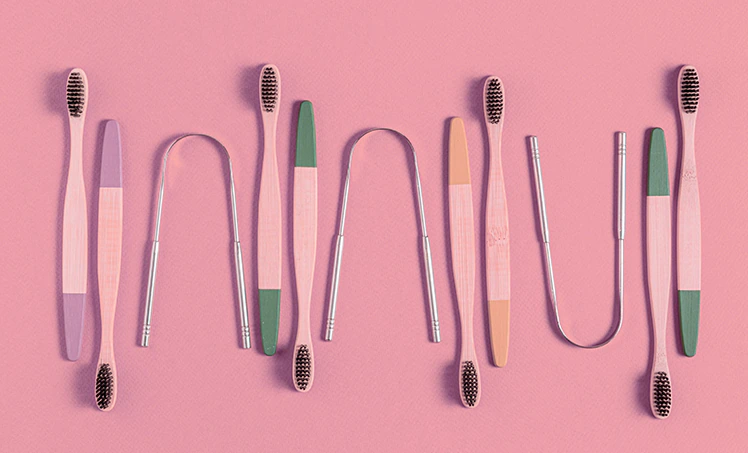
My own nightly version is unglamorous: scrape my tongue, floss or water floss (I alternate nights), brush, then an oral supplement, plus a nasal spray so my nose stays open while I sleep. It takes about five minutes.
None of this is exotic. It is mostly getting out of the way of a system that has been doing its job since long before toothpaste existed.
They are interesting, and they are a snapshot, so read the results as a clue.
A woman once slid her phone across the counter to me with a 14-page report open and said, “Tell me which of these is going to kill me.” None of them, as it turned out. She had tested right after a bagel and a latte, and one pink bar on page nine had her convinced she needed three new supplements. What she actually needed was a gum exam, which came back pretty boring in the best way.
Mail-in saliva tests that sequence your oral bacteria have gotten easy to order. The catch is that the community shifts by the hour with meals and sleep, and there is no agreed-upon “healthy” profile to compare against yet.
If your results show high P. gingivalis, treat that as a nudge to get your gums checked, and let the exam decide what happens next.
The oral microbiome is an ecosystem of around 700 species that protects your teeth and helps make nitric oxide for your blood vessels. Trouble comes from imbalance, driven by constant acid and dry mouth and made worse by antiseptic rinses. Breathe through your nose, eat your greens, scrape your tongue and skip the harsh mouthwash, and most of those bacteria will keep working for you.
Does mouthwash kill the good bacteria in your mouth? Antiseptic mouthwash can’t tell friend from foe, so yes, it hits the helpful species along with the harmful ones. The best-studied casualty is the tongue bacteria that turn dietary nitrate into nitric oxide, and losing them has been shown to raise blood pressure within days. A salt water or xylitol rinse is a gentler swap.
How do I restore my oral microbiome naturally? Start with the basics that change the environment: nasal breathing so saliva stays put, fewer snacks and sips so pH can recover, nitrate-rich greens, morning tongue scraping, and a hydroxyapatite toothpaste. Ditch alcohol-based rinses. The bacteria respond to the conditions you give them, so consistent habits beat any single product.
What foods are good for your oral microbiome? Fiber-rich plants and nitrate-rich vegetables are the stars. Arugula, spinach, beets and celery feed the tongue bacteria that make nitric oxide. Equally important is how often you eat: defined meals give your mouth time to return to a neutral pH, while constant grazing keeps feeding the acid-loving species.
Is the oral microbiome connected to gut health? Yes. The mouth is the front door of the digestive tract, and you swallow its residents hundreds of times a day, so oral bacteria seed the gut continuously. Some oral species, like F. nucleatum, have even been found in colon tumors. Caring for your mouth is part of caring for your gut.
Dr. Staci Whitman, DMD, FMCP, is a board-certified dentist and is certified in functional medicine. She is based in Portland, Oregon and is the author of SPIT (Crown, 2027).