Discover more from Dr. Staci on Substack.
Fix cavities, bad breath, receding gums, snoring, and hormones at the root. Weekly at-home tips from a board-certified dentist, because “brush, floss, and avoid sugar” were never the only answers. 🦷


At one of them, a woman leaned across the cheese board and told me, completely sincere, that she’d been swishing coconut oil for a month “to pull the mercury out of my fillings.” Her husband rolled his eyes so hard I worried for him. I had to break it to both of them that they were each about half right.
My answer surprises people on both sides. Yes, it does something. And no, it does not do most of what the wellness accounts promise.
Swishing coconut oil around your mouth for ten minutes can lower plaque and calm inflamed gums. It will not whiten your teeth, and it will not pull toxins out of your body, because that is not how bodies work.
It works a little, and the effect is measurable. Small trials show less plaque and less gum inflammation, but the studies are too small and too short to call the question closed.
Oil pulling comes from Ayurvedic medicine, where it goes by kavala or gandusha and traditionally uses sesame oil. I expected the modern research to be thin. It is small, but it’s more encouraging than I thought when I first sat down with it.
A series of trials out of Meenakshi Ammal Dental College in Chennai around 2008 and 2009 had teenagers swish sesame oil daily and compared them to a chlorhexidine group. Plaque scores and gingivitis scores dropped in both groups, and the reductions in Streptococcus mutans counts landed in the same neighborhood.
Then a 2015 study from Kerala ran a similar experiment with coconut oil in 60 adolescents over 30 days and found a meaningful drop in plaque and gum inflammation.
Before you run to the pantry, a 2016 review from Oxford researchers looked at all of these trials together and called the evidence weak. Small groups, short timelines, and study designs that leave room for bias.
That matches my read. The oil pulling benefits that survive scrutiny are real and modest, and anyone who tells you the science is settled has not read the science.
Two reasons: the swishing itself scrubs plaque loose, and coconut oil carries a fatty acid that bothers the bacteria behind cavities.
The first mechanism is mechanical and a little boring. Ten minutes of pushing liquid between your teeth loosens plaque and food debris. The oil also emulsifies as you work it, turning thin and milky as it grabs onto bacterial cell membranes.
You would get some of this benefit swishing plain water for ten minutes. You won’t do that, though, and neither will I.
The second mechanism is the chemistry. About half of coconut oil is lauric acid, which your saliva’s enzymes and the swishing partly convert into monolaurin, a compound with documented activity against S. mutans and Candida in lab studies. That may explain why coconut oil performs at least as well as sesame in the newer trials.
What I love about this, from an oral microbiome point of view, is how gentle it is.
Chlorhexidine and alcohol rinses flatten the whole ecosystem, including the nitrate-reducing bacteria on your tongue that help your body make nitric oxide (a molecule your blood vessels rely on). Oil pulling seems to nudge the balance instead of nuking it.
Mouthwash is a leaf blower. Oil pulling is a rake.
Start with five minutes and work up to 15 if you like it. Most of the research used about ten.
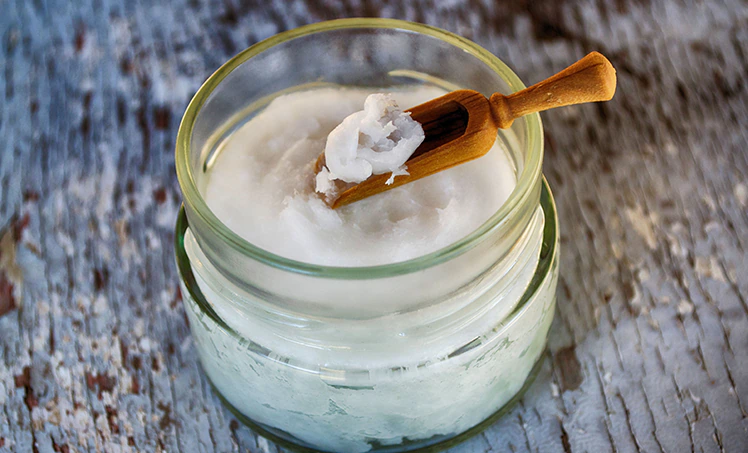
Take roughly a tablespoon of unrefined coconut oil. Sesame works too if you like the taste better. Swish first thing in the morning, before you eat.
Push and pull it through your teeth instead of gargling it, and keep the motion easy so your jaw doesn’t ache by minute eight. If you gag easily, start with a teaspoon.
When you’re done, spit it into the trash. Coconut oil goes solid at room temperature, and your plumber does not need to meet you.
Don’t swallow it, either. By the end it is a bacterial soup.
After. Swish, spit, rinse with warm water, then brush and floss like normal.
The oil loosens the film; the brush hauls it away. Reverse the order and you’re swishing oil over teeth that are already clean, which mostly just wastes ten minutes of your morning.
Young children who can’t reliably spit should skip it, along with anyone who has trouble swallowing.
There are rare case reports of oil being aspirated into the lungs, which is a genuinely bad outcome for a mouth habit. For little ones, a soft brush, a good diet, and a closed-mouth, nose-breathing sleep do far more for their gums anyway.
It doesn’t whiten teeth. There is no bleaching agent in coconut oil. The brightness people notice is plaque coming off, which is nice, but it’s a cleaner surface and no lighter shade.
It doesn’t detox anything. Toxins do not exit through your cheeks. That job belongs to your liver and kidneys, and they’re doing it right now without your help.
It doesn’t replace brushing and flossing. This is the mistake I see most. Ten minutes of oil is an add-on to a toothbrush and floss, and the add-on only works if the base is there.
Oil pulling lowers plaque and gum inflammation a little, mostly through physical swishing plus some help from lauric acid, and the studies behind it are small. I like it as a gentle add-on for people working on their oral microbiome, and I’m completely fine if you skip it; brush and floss first, and if you still have ten spare minutes in the morning, go ahead and swish.
Can oil pulling reverse cavities? No. Once a cavity has broken through enamel into a hole, no rinse refills it. Oil pulling can lower the bacterial load that feeds early decay, which helps your saliva remineralize soft spots before they become holes. Think of it as backup for prevention, and still let your dentist look at anything that hurts or looks dark.
Is coconut oil or sesame oil better for oil pulling? Coconut oil, by a nose. The newer trials suggest it performs at least as well as traditional sesame, likely thanks to its lauric acid. Sesame is the classic Ayurvedic choice and works fine. Pick unrefined versions of either, and choose the one you can actually stand holding in your mouth for ten minutes.
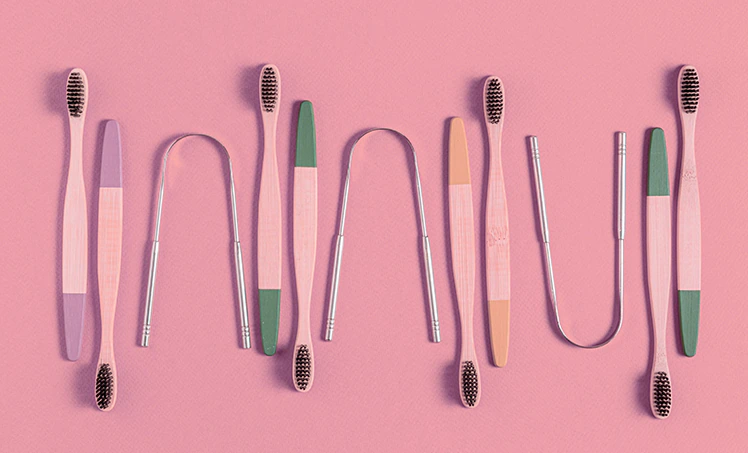
Does oil pulling help bad breath? It can, modestly. Most bad breath comes from bacteria and debris on the back of the tongue and between teeth, and swishing loosens some of that. A tongue scraper does the same job faster and more directly. If your breath stays bad despite good habits, look at dry mouth, mouth breathing, gum disease, or tonsil stones.
Can I oil pull every day? Yes. Daily is how the studies ran it, and there’s no known harm in healthy adults who spit it out. Morning before eating is the classic timing, but any time you’ll actually do it beats the perfect time you’ll skip. Keep it gentle on your jaw, especially if you clench or grind.
Dr. Staci Whitman, DMD, FMCP, is a board-certified dentist and is certified in functional medicine. She is based in Portland, Oregon and is the author of SPIT (Crown, 2027).