Discover more from Dr. Staci on Substack.
Fix cavities, bad breath, receding gums, snoring, and hormones at the root. Weekly at-home tips from a board-certified dentist, because “brush, floss, and avoid sugar” were never the only answers. 🦷


Tonsil stones are one of the most common things patients are embarrassed to ask me about, and there is nothing embarrassing about them. They’re a plumbing problem in the back of your throat. Once you understand the plumbing, you can do something about it.
Tonsil stones are bits of trapped debris that bacteria have hardened into tiny pebbles inside the pockets of your tonsils. The fancy name is tonsillolith.
Your tonsils are lumpy on purpose. They’re covered in little pockets called crypts, which trap whatever passes through the throat so the immune tissue underneath can take a look. Think of them as a security checkpoint with a lot of bins.
In some people those crypts are deep, and food particles and mucus from post-nasal drip collect in them. Anaerobic bacteria move in and feed on the debris. Over weeks, the mass hardens with calcium and phosphate from your saliva, and you get the pebble.
Sulfur. The bacteria living in that debris break down proteins and release volatile sulfur compounds, mainly hydrogen sulfide and methyl mercaptan, the same gases behind most bad breath.
A Brazilian study from the late 2000s found that people with tonsil stones were about ten times more likely to have breath readings in the abnormal range on a sulfur monitor.
If your brushing and tongue scraping are solid and your breath still smells like something died, check the tonsils.
Start with a firm gargle, because small stones often work themselves loose. Use warm salt water, a half teaspoon in a cup, and gargle with your head tipped back for thirty seconds a couple of times a day. It loosens debris and calms the tissue.
If you can see the stone, a water flosser on its lowest setting, aimed at the crypt, will flush most of them out. Start gentle. Tonsils bleed easily, and a strong jet will make you gag.
A cotton swab pressed softly beside the stone (beside, never on it) can nudge it out.
Please keep the tweezers and bobby pins out of your throat. A guy in his twenties once opened wide for me with a raw, angry scrape across his left tonsil and said, a little proudly, “Got it out with my girlfriend’s eyebrow tweezers.” He also got a throat infection that took two miserable weeks and a trip to his doctor to clear. Scraped tonsil tissue heals slowly, and that is a terrible trade for one pebble.
Partly anatomy, and partly a throat that stays dry, drippy or irritated. You don’t get to pick your tonsils, and deep crypts are the first factor. But most of the other drivers are the same things that cause trouble everywhere else in the mouth.
Mouth breathing. Breathing through your mouth dries the throat. Dry tissue with less saliva flow lets debris sit and bacteria bloom, so people who mouth-breathe at night are frequent stone formers.
Post-nasal drip. Allergies or chronic sinus trouble keep a steady supply of mucus flowing straight into the crypts.
Silent reflux. This is reflux that reaches the throat without the heartburn. It irritates the tonsils and changes the bacterial mix back there.
A history of tonsillitis. Repeated infections leave the tonsils scarred and more cavernous, which is why stones often start after a few rough winters of strep.
Prevention is where I spend most of the conversation, because removing stones without changing the conditions that make them is a hobby that never ends.
Get your nose open at night with saline or Xlear xylitol spray and a bedroom air filter. If you wake up congested most mornings, ask for an allergy workup.
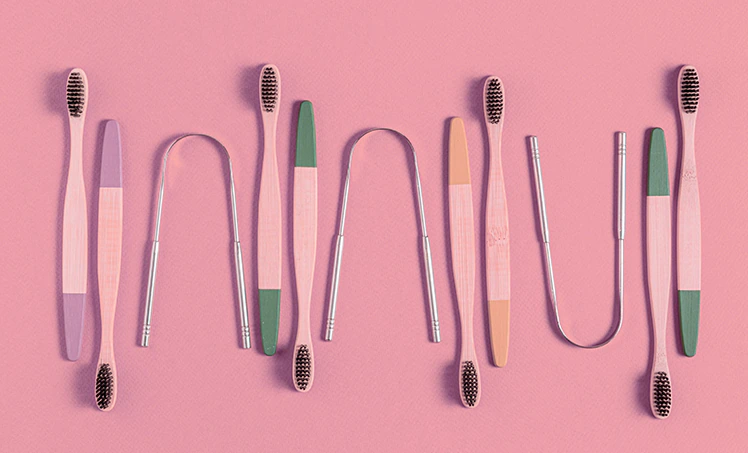
Drink enough water that your saliva stays thin. Scrape your tongue every morning so the bacteria that feed the crypts have less to work with, and chew xylitol gum after meals to keep your mouth wet.
If you have reflux symptoms or a constant throat-clearing habit, get that evaluated. Treating silent reflux ends stones for a surprising number of people.
And skip the alcohol mouthwash. It dries the throat and hands the anaerobes exactly the environment they love.
Salt water and a water flosser manage stones, and the crypts that make them stay exactly as they were.
If you’re producing large stones every few weeks, or getting sore throats along with them, that’s an ENT conversation. Options run from laser or coblation cryptolysis, which smooths the crypts, to tonsillectomy for people who also have recurrent tonsillitis.
Surgery is a real recovery in adults, so it’s a last resort. For the right patient, though, it ends the problem for good.
Tonsil stones are trapped debris that bacteria have calcified inside your tonsil crypts, and the sulfur they give off is why your breath smells despite good brushing. Gargle salt water or use a water flosser on low, and keep sharp objects out of your throat. Then fix the terrain: nasal breathing, hydration and tongue scraping, plus a reflux or allergy workup if the stones keep coming.
Are tonsil stones dangerous? For most people, no. They’re a nuisance and a breath problem more than a health threat. The real risk comes from digging them out with sharp objects, which can scrape and infect the tissue. If stones keep coming back with frequent sore throats, that’s the point to see an ENT about longer-term options.
Can tonsil stones come back after you remove them? Yes, and they often do, because removing a stone leaves the crypt behind. That’s why prevention matters more than extraction. Nasal breathing, steady hydration, morning tongue scraping and treating any reflux or post-nasal drip lower the supply of debris and bacteria that build the next one.
Does mouthwash help tonsil stones? Alcohol-based mouthwash usually backfires. It dries the throat, and dry tissue is exactly where the sulfur-producing bacteria thrive. A warm salt water gargle does the job better for loosening debris. For the breath itself, tongue scraping and keeping your mouth wet with water and xylitol gum go further.
Can you get tonsil stones without tonsils? If your tonsils were fully removed, the crypts that form stones are gone too, which is why tonsillectomy works for people with severe, recurring stones. If something stone-like shows up after surgery, mention it to your ENT so they can take a look.
Dr. Staci Whitman, DMD, FMCP, is a board-certified dentist and is certified in functional medicine. She is based in Portland, Oregon and is the author of SPIT (Crown, 2027).