Discover more from Dr. Staci on Substack.
Fix cavities, bad breath, receding gums, snoring, and hormones at the root. Weekly at-home tips from a board-certified dentist, because “brush, floss, and avoid sugar” were never the only answers. 🦷


It’s real. And it’s the one I hand to parents first.
Hydroxyapatite toothpaste has become my default for children because it does the job toothpaste is supposed to do, rebuilding enamel, using the exact material enamel is already made of. It does that without a poison-control warning on the box.
Hydroxyapatite is a crystalline form of calcium phosphate. It makes up about 97 percent of your enamel by weight and roughly 70 percent of the dentin underneath.
Your teeth are in a constant mineral trade. Every time the mouth turns acidic after a snack or a bottle, some of that mineral dissolves out of the surface. In the quiet hours between, saliva puts some back. A cavity is what happens when the dissolving wins for long enough.
Nano-hydroxyapatite toothpaste adds particles of that same mineral, sized around 20 to 80 nanometers, onto the tooth. At that size they slot into the microscopic pits and scratches acid leaves behind and bind to the enamel surface. There they act as a little reservoir of calcium and phosphate that saliva can draw on to rebuild.
I love this part of the story. Japan figured it out first. A company called Sangi started selling hydroxyapatite toothpaste in the 1980s, and the Japanese health ministry approved it as an anti-cavity ingredient in 1993. American parents are just catching up to something Japanese families have been brushing with for decades.
Yes. Hydroxyapatite is the same mineral in your bones and in the calcium phosphate supplements sold at the grocery store, so swallowed toothpaste is a nonevent.
This is the whole reason it’s my first pick for toddlers. Children under 6 swallow toothpaste. Researchers who have measured it find that most of a pea-sized dab goes down.
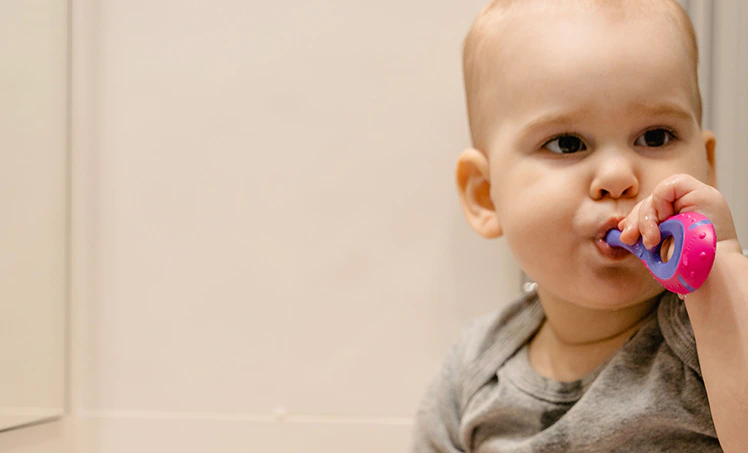
A mom once described her 2-year-old’s routine to me, completely deadpan: “He doesn’t really brush. He eats the toothpaste and then chews on the handle.” With fluoride, that’s a measuring problem. With hydroxyapatite, I got to tell her to relax.
The European Union’s Scientific Committee on Consumer Safety reviewed nano-hydroxyapatite in 2023 and concluded it’s safe in toothpaste at the concentrations sold, in the rod-shaped form the good brands use.
And there’s no fluorosis risk. Fluorosis comes from swallowed fluoride reaching the adult teeth still developing in the jaw, and hydroxyapatite contains nothing foreign to the body.
It does. In the head-to-head trials so far, hydroxyapatite toothpaste performs about the same as fluoride toothpaste at preventing and repairing early cavities.
The two work differently. Fluoride converts the enamel surface into fluorapatite, a harder mineral that resists acid. Hydroxyapatite replaces the lost mineral directly, like restocking a shelf with the exact item that sold out. Both prevent cavities, and the real question is whether one does it better.
Here’s what the trials show:
I won’t claim hydroxyapatite beats fluoride, because these trials show a tie. But a tie, paired with a safety profile that lets a toddler eat the toothpaste, is enough for me.
Fluoride still has its place, especially for high-risk children who can spit, and it’s considered the gold standard. #28 compares the two in more depth, and #6 covers my full fluoride position.
Check that hydroxyapatite sits high on the ingredient list, ideally at 10 percent or more, since that’s the concentration the trials used. A sprinkle at the bottom of the list won’t do much.
A few I like for children:
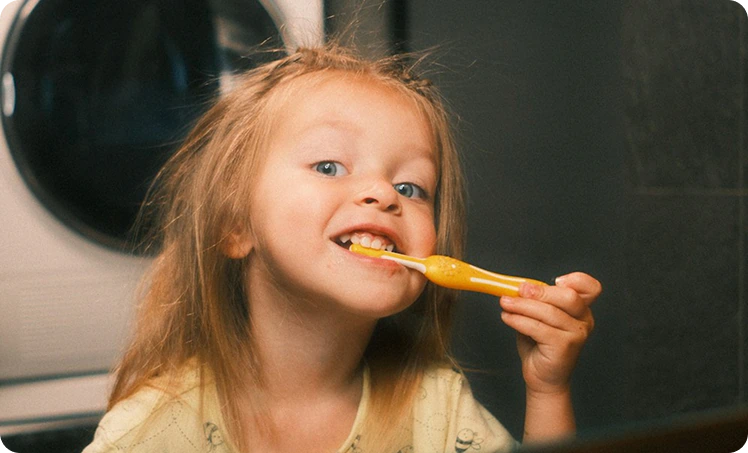
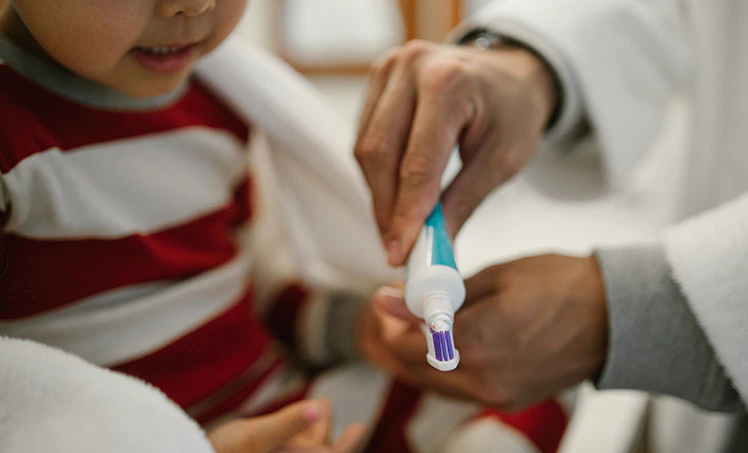
Use a rice-grain smear under age 3 and a pea-sized amount from 3 to 6.
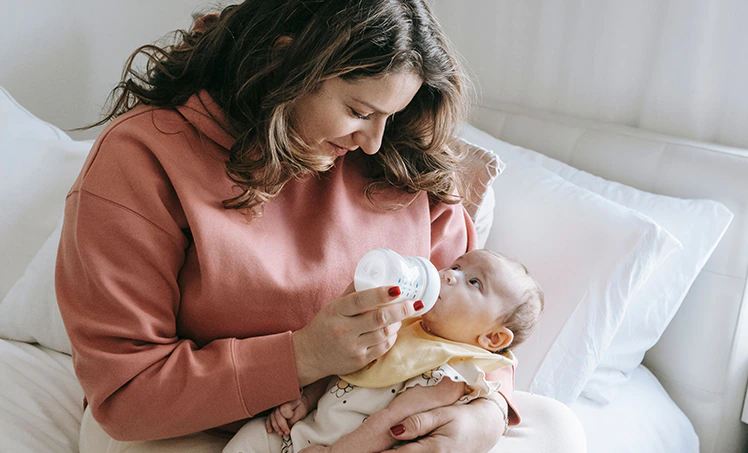
Hydroxyapatite can’t outrun a sippy cup.
A child who sips juice or milk through the afternoon and grazes on crackers is bathing their enamel in acid every 20 minutes. No toothpaste can put mineral back faster than that takes it out.
It also does nothing for the dry mouth of a child who mouth-breathes at night, and saliva is the delivery system that makes remineralization work. Fix the acid clock and the breathing, and the toothpaste finally gets to do its job.
Hydroxyapatite toothpaste for children rebuilds enamel with the mineral enamel is made of, matches fluoride in head-to-head trials, and a toddler can swallow it without a second thought. That combination makes it my first pick, with fluoride held in reserve for high-risk children who can spit. Buy a brand with a real concentration, use a rice-grain smear, and remember the snack schedule matters more than the tube.
Can hydroxyapatite toothpaste reverse cavities in children? It can help reverse the earliest stage, the chalky white spots where enamel has lost mineral but hasn’t broken down. Trials show it remineralizes those early lesions about as well as fluoride. Once a cavity has become an actual hole, no toothpaste can fill it back in, and a dentist needs to take a look. #38 explains the limits.
What percentage of hydroxyapatite should a toothpaste have? Look for 10 percent or more. The children’s trial from UT Health San Antonio used a 10 percent hydroxyapatite toothpaste, and that’s the level with evidence behind it. Some brands list the percentage on the box; if one doesn’t and hydroxyapatite is near the bottom of the ingredients, assume it’s a small amount.
Is “nano” hydroxyapatite different from regular hydroxyapatite? It’s the same mineral in smaller particles, around 20 to 80 nanometers. That size is what lets it slip into the tiny pits acid leaves in enamel. The EU’s 2023 safety review looked specifically at the nano, rod-shaped form used in toothpaste and found it safe at the concentrations sold.
Can adults use hydroxyapatite toothpaste for children? Absolutely. It’s the same mineral doing the same job, and the 2021 Polish trial that found it matched fluoride for new cavities was done in adults. Most adults just prefer a mintier flavor, which is why brands sell grown-up versions too.
Dr. Staci Whitman, DMD, FMCP, is a board-certified dentist and is certified in functional medicine. She is based in Portland, Oregon and is the author of SPIT (Crown, 2027).