Discover more from Dr. Staci on Substack.
Fix cavities, bad breath, receding gums, snoring, and hormones at the root. Weekly at-home tips from a board-certified dentist, because “brush, floss, and avoid sugar” were never the only answers. 🦷

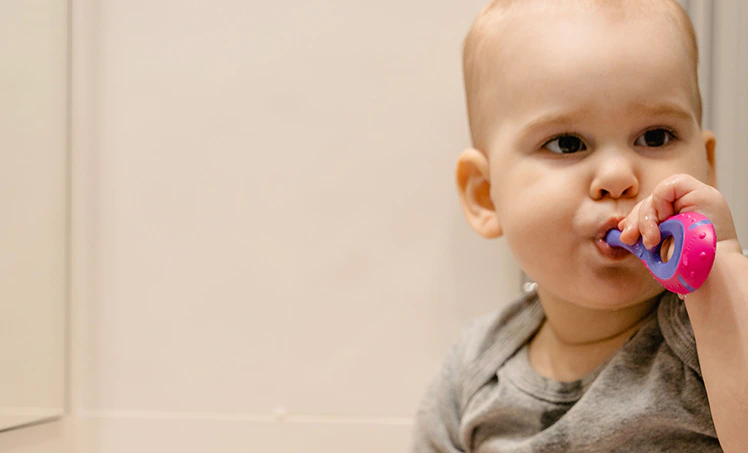

Parents ask me this all the time, usually while apologizing that their 3-year-old has never been. Please don’t apologize. Most people have never been told the answer, and it surprises nearly everyone.
That first-tooth-or-first-birthday rule is the official guidance from the American Academy of Pediatric Dentistry, and it matches what I see in the chair. The children I meet at 12 months almost never need a filling at 4. The ones I meet at 4 often do.
No. Age 1 is right on time, because the first dental visit is mostly about the parents.
A baby with two teeth gets a coaching session with an exam tucked inside it. Nobody brings out the whirring polisher. I want to see how you’re brushing, what’s in the bottle or sippy cup, how the baby is feeding and breathing, and whether there are any early warning signs on the enamel.
Those warning signs are the whole reason to go early. By the CDC’s count, roughly one in four American children between 2 and 5 has already had a cavity in their baby teeth. Those cavities start as chalky white spots, and at the chalky-white-spot stage they’re reversible, if somebody notices them.
Two reasons, one emotional and one financial.
The emotional one: a child who meets a dentist as a baby, in a calm room with no drills and no pain, learns that this is a normal place to be. A child whose first dental visit is an emergency at age 4 with a throbbing molar learns something very different, and plenty of adults are still carrying that lesson around.
The financial one comes from North Carolina. A 2004 study led by Savage followed children on Medicaid and found that the ones who had a preventive visit by age 1 had lower dental costs over the following years than those who started later. An early visit costs less than the fillings it helps prevent.
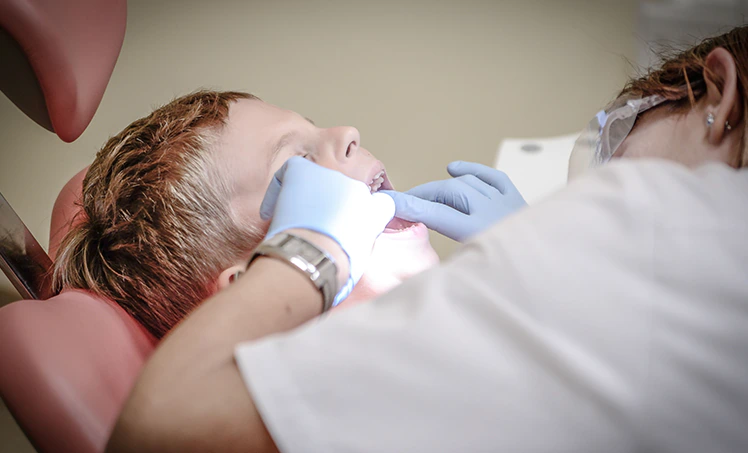
The exam happens knee to knee, takes about ten minutes, and the rest of the visit is conversation.
You sit facing me. Your baby lies back across both our laps, head in mine, so I get a clear look in the mouth while they can still see your face.
Most babies protest for about 45 seconds, and that’s completely fine. A crying baby has a wide-open mouth, which honestly makes my job easier.
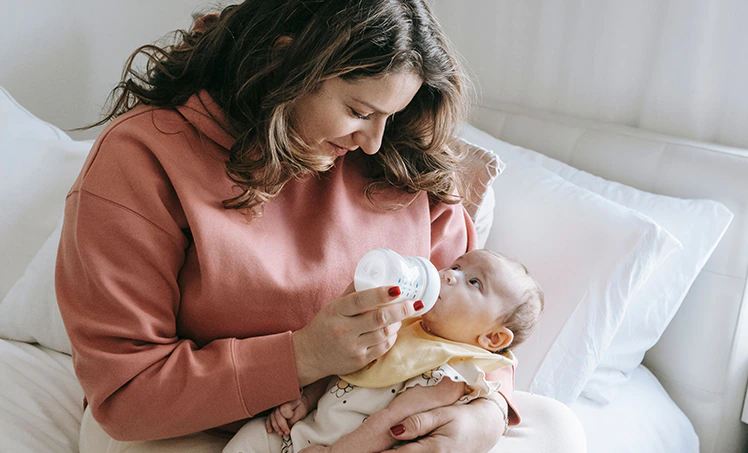
One dad, while his 13-month-old let the whole hallway know how she felt about this, asked over the noise, “She only gets milk at bedtime, so that’s fine, right?” At that exact moment I could see a faint chalky line hugging the gumline of her top front teeth. We moved the milk earlier, ahead of the bedtime brush, and three months later that line had gone glossy and hard.
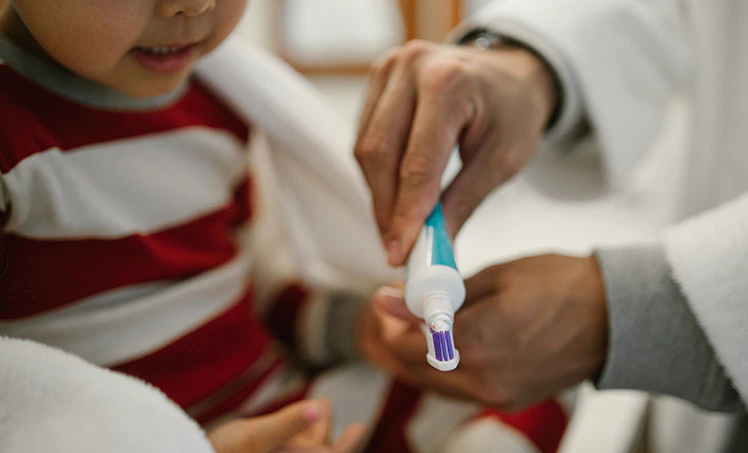
While they voice their opinions, I count teeth, run a finger along the gums, check the tongue and lips, and look at how the jaws meet. Then I wipe or brush the teeth with a rice-grain smear of toothpaste so you can see the technique.
Then we talk, and the talking is the longer part. We cover:
That candy point surprises people every time. Frequency matters more than the treat itself, because every sip and nibble restarts the acid clock on the teeth.
The tooth surfaces, of course. But as a functional dentist, I spend just as much time on everything around them, because the mouth is where a lot of whole-body patterns first show up.
Lip and tongue ties. I check for ties that restrict movement, because a tethered tongue affects latch, sleep, and swallowing, and later the shape of the palate. More on that in #11.
Breathing. I watch whether the baby breathes through the nose or the mouth at rest. A mouth-breathing infant is a child I want to follow closely, since a dry mouth loses the saliva that protects enamel. I also ask about snoring and restless sleep.
Jaw and palate. I look at palate width and how the upper and lower jaws line up, which tells me a lot about how the face and airway are developing.
The gumline of the front teeth. Any white or brown spots there get my attention, because that’s where bottle and nursing decay show up first (#18 explains why the timing matters more than the milk).
A squirming, yelling baby is no obstacle to any of this, as long as the dentist is looking for it.
A first dental visit doesn’t make a child immune to cavities, and it doesn’t replace anything you do at home.
Enamel gets protected or worn down by the daily stuff: what goes in the cup, how often the mouth is eating, whether the teeth get brushed at the gumline before bed, and whether the nose is doing the breathing.
The visit teaches all of that. You’re the one who does it, and that’s the good news, because home is where most of the protecting happens.
When should a child first see a dentist? At the first tooth or the first birthday, whichever comes first. The visit is a ten-minute knee-to-knee exam plus a coaching session on brushing, feeding, and breathing. It’s the calmest dental appointment your child will ever have, and it sets the tone for every one after it.
My 3-year-old has never been to the dentist. Is that bad? No, and you’re in good company. Book a visit now and tell the office it’s the first one so they plan extra time. Most 3-year-olds do great with a calm, show-and-tell style appointment. The sooner someone looks, the better the odds of catching any chalky spots while they can still be reversed.
Should my toddler see a pediatric dentist or a regular dentist? Either can work. What matters is a dentist who enjoys seeing little ones, does the knee-to-knee exam, and spends time coaching you. A pediatric dentist or a functional dentist who looks at breathing, tongue ties, and diet along with the teeth will give you the most useful first visit.
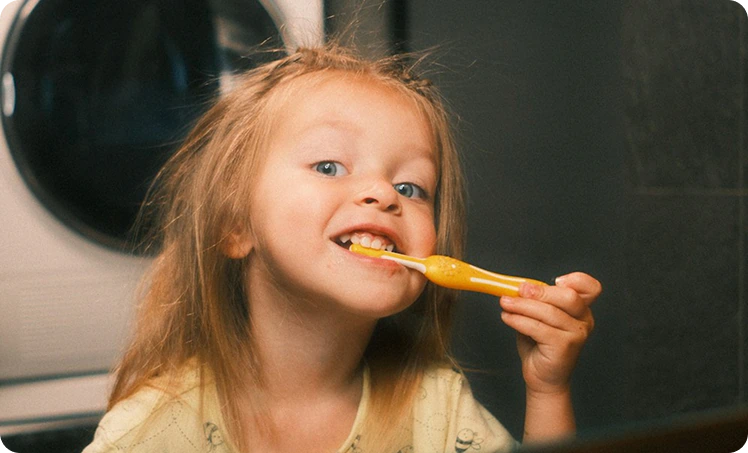
How do I prepare my toddler for the first dentist visit? Keep it light and boring. Play “count the teeth” at home with a mirror, read a picture book about the dentist, and skip words like “hurt” or “shot.” Book a morning slot when your child is rested and fed. Your calm face across the knee-to-knee exam does more than any pep talk.
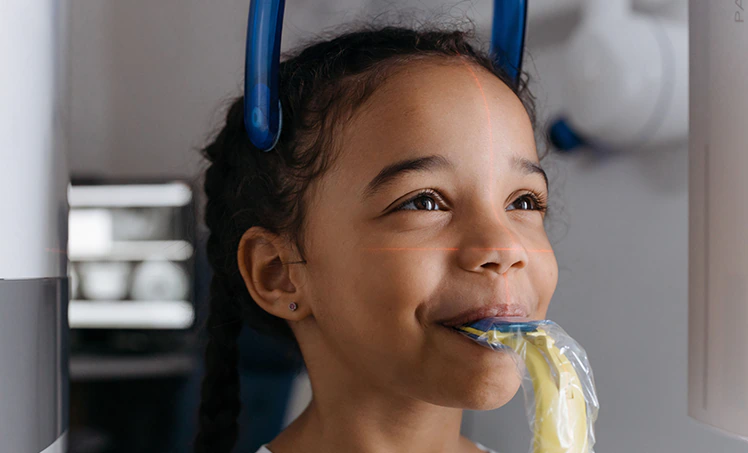
Does the first dental visit include a cleaning or X-rays? Usually not at age 1. A baby’s first visit is a gentle exam, a quick brush with a smear of toothpaste, and a conversation. Professional polishing and X-rays come later, only when there’s a reason, like teeth touching in the back or a spot the dentist needs to see between teeth.
Dr. Staci Whitman, DMD, FMCP, is a board-certified dentist and is certified in functional medicine. She is based in Portland, Oregon and is the author of SPIT (Crown, 2027).